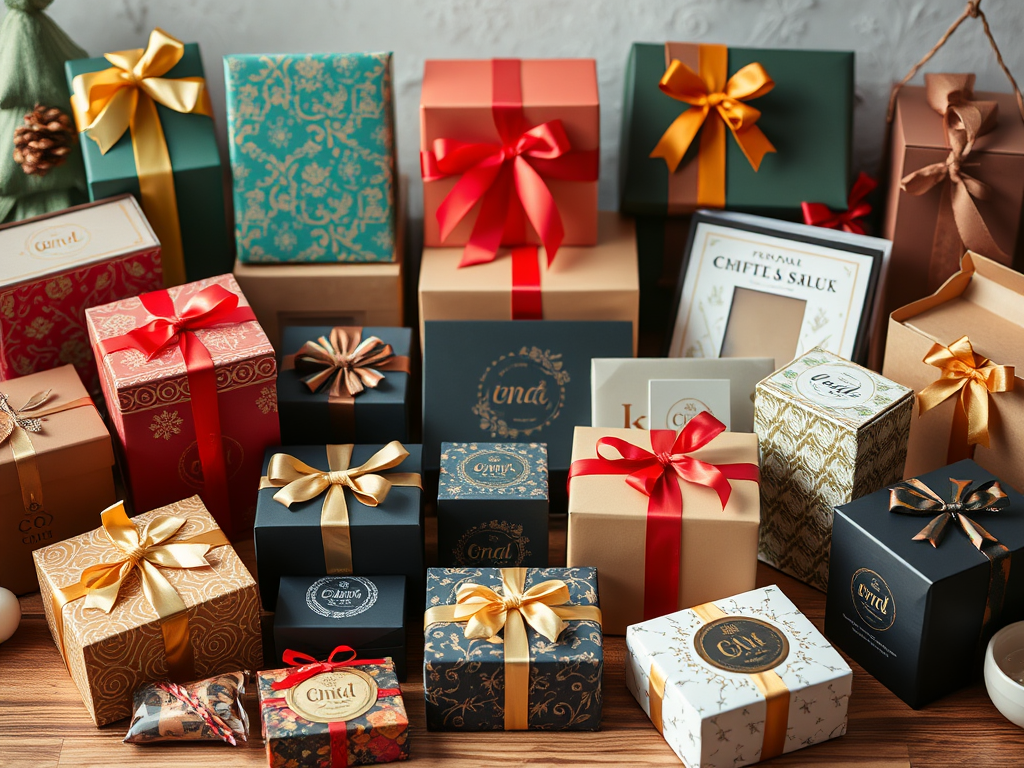
為什麼包裝設計如此重要?
- 包裝不只是保護產品,更是品牌與顧客第一接觸的媒介。一個設計得當的包裝,能在產品開箱前,就建立品牌形象與期待感。成功的包裝能夠提升消費者的第一印象,並影響購買決策。
- 包裝設計同時肩負資訊傳遞、功能性保護和視覺吸引的多重任務。它必須兼顧美感與實用性,既要讓消費者一眼看懂產品資訊,也要確保產品在運輸與使用過程中保持完整無損。
- 對品牌來說,包裝是延伸品牌識別的重要工具。統一的設計風格、配色與視覺語言,有助於在消費者心中建立品牌記憶與忠誠度。
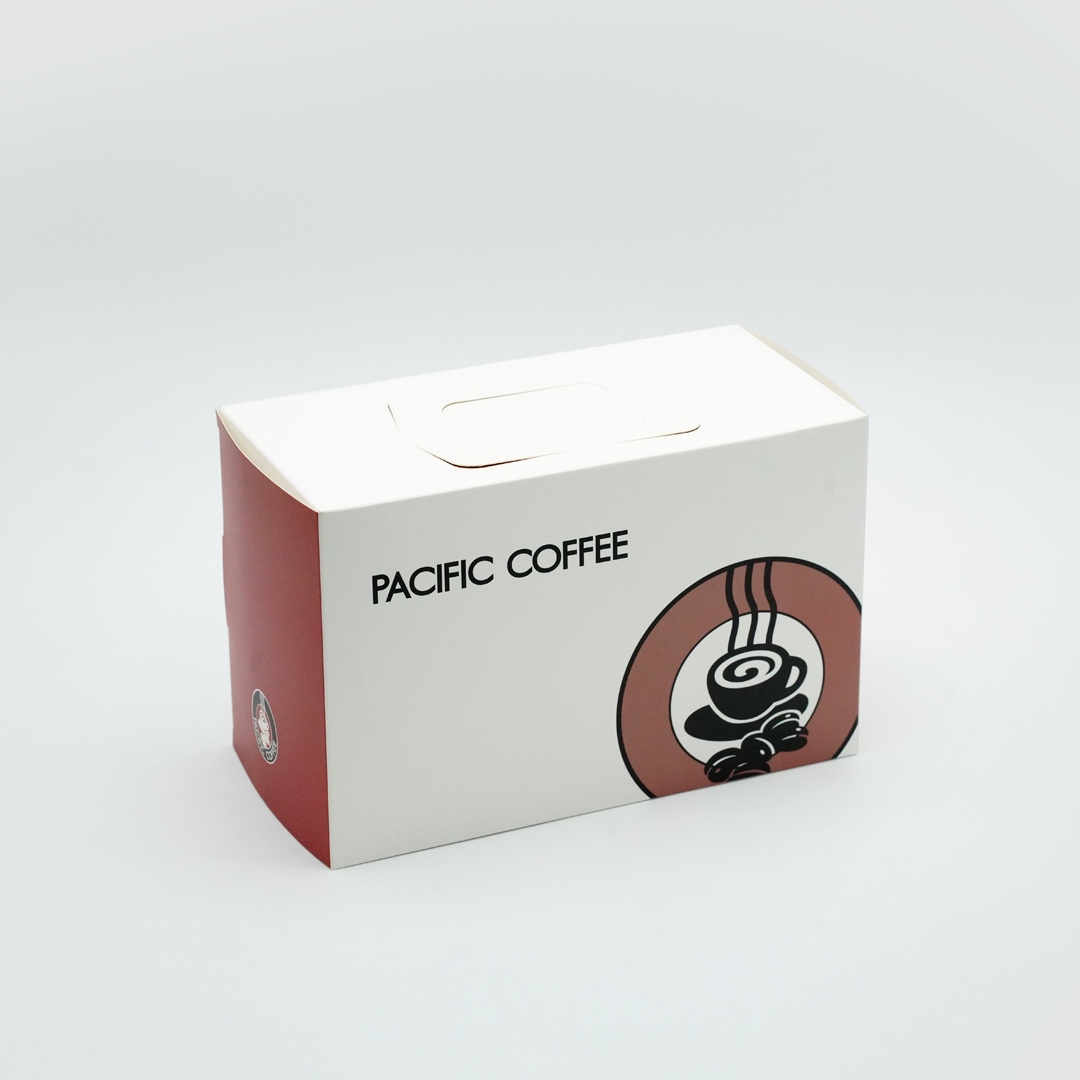
包裝設計的核心要素
Successful packaging design typically balances the following key aspects:
視覺設計: 色彩、字體與圖像
- 色彩 具有情緒與心理暗示的力量。例如藍色常給人專業與信任感,綠色容易讓人聯想到自然、健康,紅色則適合強烈、刺激的商品。透過色彩策略,能立即傳達品牌的定位與產品特性。
- 字體與排版設計 應該清晰、易讀。關鍵資訊(品牌名、產品名、賣點)要突出;標語、副標、細節則要安排妥當,讓消費者快速抓到重點。
- 若有適合的 圖像或插畫 也可以提升包裝的吸引力與故事感。特別是食品、手作、文創或特色商品,插畫或實物圖片能幫助消費者快速理解商品屬性。
結構與材質: 功能性與質感
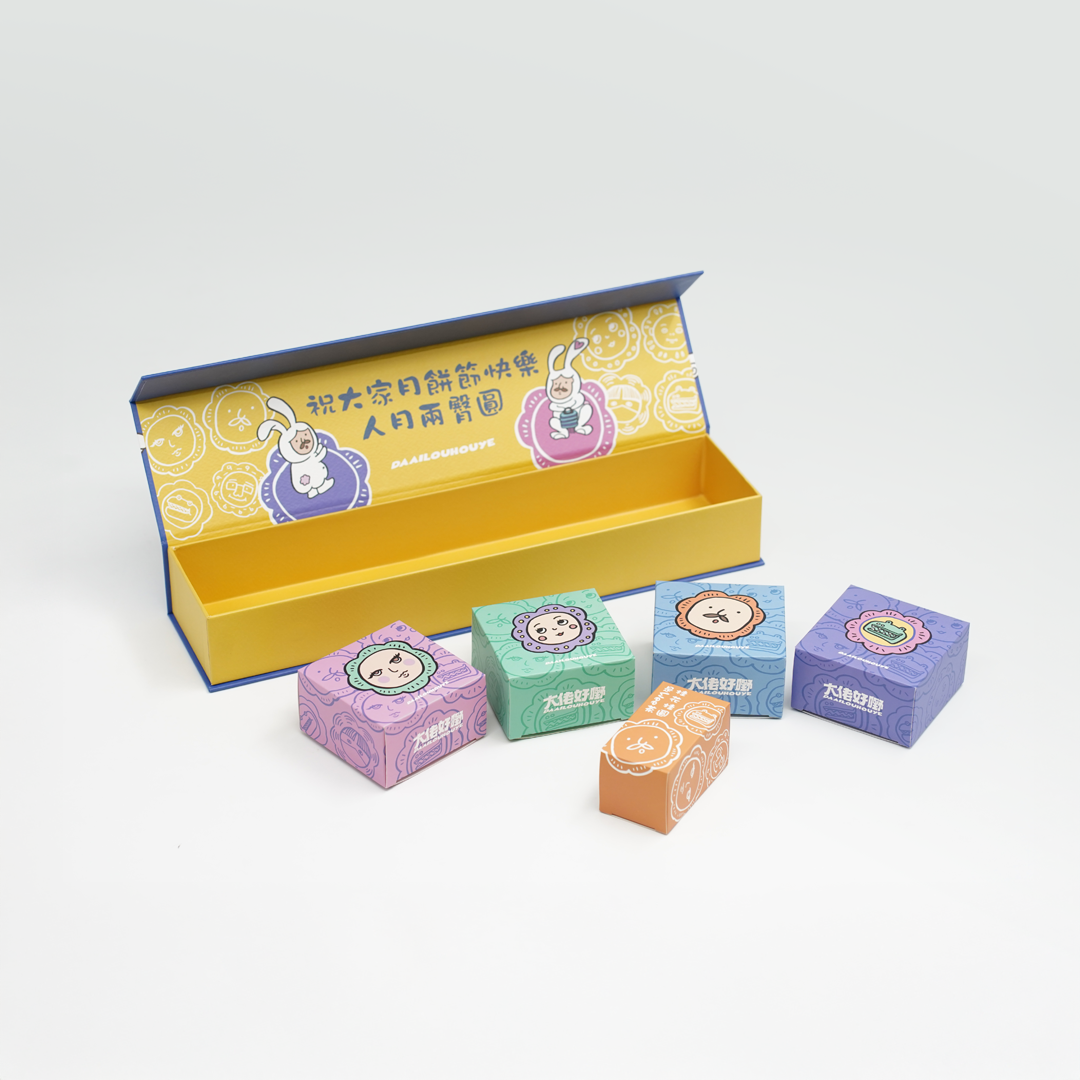
- 包裝材質 應依產品性質與銷售通路而選擇。例如食品可能需要防潮、防壓的紙材或包裝袋;高級商品則可能選用高質感紙盒、磁吸盒等。
- 包裝 的結構與造型 也影響消費者體驗。例如盒形、開盒方式、是否易於開封、是否方便堆疊與運輸、是否適合電商物流/實體貨架展示等,都需要在設計初期就考量
- 若品牌主張 環保或永續,也可選擇可回收紙材、FSC紙張或其他環保材質。這不僅響應趨勢,也可能為品牌形象加分。
品牌定位與市場策略: 從定位到包裝風格
設計包裝前,必須先釐清品牌與產品
什麼是 品牌個性(例如: 科技感 / 高級 / 手作 / 自然 / 童趣)
誰是 目標客群他們的偏好、年齡層、消費習慣是什麼?
什麼是 產品用途、銷售通路是什麼?(例如超市/電商/禮盒/高端精品)
根據這些變數,選擇最適合的 包裝風格,例如極簡、自然手作、奢華精品、活潑童趣、復古懷舊、科技未來等等。這樣才能讓包裝真正反映品牌定位,而不是僅僅「好看」。
一份完整、有效的包裝設計,通常包含以下流程:
品牌定位與市場調研 — Define brand positioning, target customers, competitor analysis, and market trends.
設計風格與視覺規劃 — Determine packaging style, color scheme, typography, imagery, and layout based on positioning.
材質與結構設計 — Select materials and structural design according to product characteristics, transport needs, and usage scenarios.
視覺設計與排版 — Includes logo, headlines, subtitles, illustrations or photos, and information field layout.
打樣與印前校色 — Produce samples to confirm material feel, print quality, color accuracy, and structural functionality against expectations.
量產與質量控管 — After production begins, continuously inspect packaging quality and consistency to ensure every batch meets standards.
市場測試與優化 — Packaging design is not static. Adjust and optimize based on consumer feedback and market changes.
????????????????????????????????? ????????????
鋁箔袋設計與印刷關鍵步驟
要讓鋁箔袋不只是「能用」,更能「吸睛、耐用、符合品牌調性」,設計與印刷階段非常重要。根據參考文章,下列為主要流程與注意事項:
確認用途與產品屬性 — e.g., Is it for food? Does it need venting? Should it stand for display? Is a zipper needed? Are anti-static, moisture-proof, or light-proof functions required?
選擇合適結構層數與材料 — For example, a PET/AL/PE three-layer structure is basic. For higher barrier properties, puncture resistance, or temperature tolerance, 4-layer or 5-layer composite structures can be chosen.
包裝袋型設計與視覺設計 — Includes LOGO, brand identity, color scheme, layout, whitespace, and product information to align the packaging with brand positioning and market demands.
印刷與後加工決策 — Includes printing method, ink selection, and post-processing like anti-scratch/anti-fingerprint/matte lamination to enhance texture and durability.
製造與品質控管 — Steps involve printing, laminating, foil stamping/varnishing, heat sealing, and pouch forming, ensuring compliance with food-grade/safety/seal/barrier standards.
測試與確認包裝功能 — Includes oxygen/water vapor barrier tests, seal integrity tests, puncture resistance tests, and storage tests to ensure the packaging performs as intended.

結論: 包裝設計 = 品牌 + 銷售 + 產品保護
For any product or brand, packaging design should not be reduced to “drawing a pretty picture” or “making a box”—it is a comprehensive art that integrates brand positioning, consumer psychology, material technology, and market strategy.
一份成功的包裝設計,不僅能保護產品、提升功能性,更能傳遞品牌價值、抓住目光、促進銷售、打造品牌識別。
如果你正為新產品設計包裝,也許可以從: Brand Positioning → Market Research → Design Planning → Material Selection → Prototype Testing這五個步驟開始,打造既實用又能代表品牌精神的包裝設計。