
Meritideas
4 Key Trends in Fragrance Packaging Design for 2026
In today’s increasingly competitive fragrance market, whether a bottle of perfume, a jar of candle, or a diffuser reed can attract consumer attention often depends not just on the scent itself, but on the first impression given the instant the packaging is opened. Especially in 2026, packaging design is no longer just a tool for protecting products or displaying goods—it has become the most direct and powerful sensory communication bridge between brands and consumers.
Through a design revolution, fragrance packaging will become a comprehensive carrier for brand stories, tactile experiences, and sustainability concepts. The following guidelines will help fragrance brands create more attractive and valuable packaging.
- Sensory Design(Sensorysign)
:Not Just Visual, but Also “Touch,” “Sound,” and “Feel”
In 2026, high-end fragrance packaging is increasingly emphasizing sensory integration—far beyond just “beautiful patterns + text.” Prioritizing tactile feel, the sense of ritual in unboxing, materials, and craftsmanship has become the new standard.
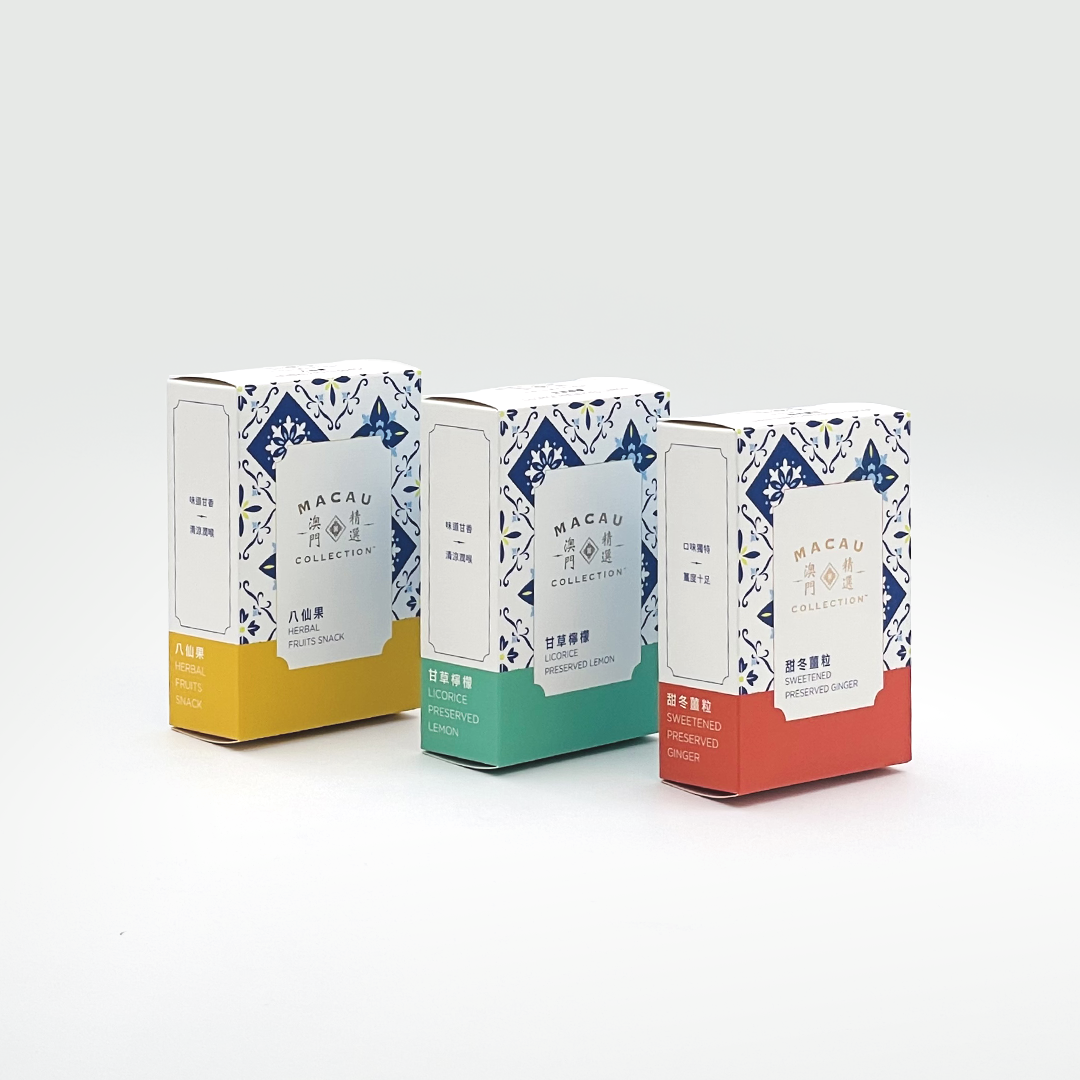
High-end fragrance packaging increasingly emphasizes sensory integration—not just “beautiful patterns + text.” Focus on texture, unboxing ritual, materials, and craftsmanship is the new standard.
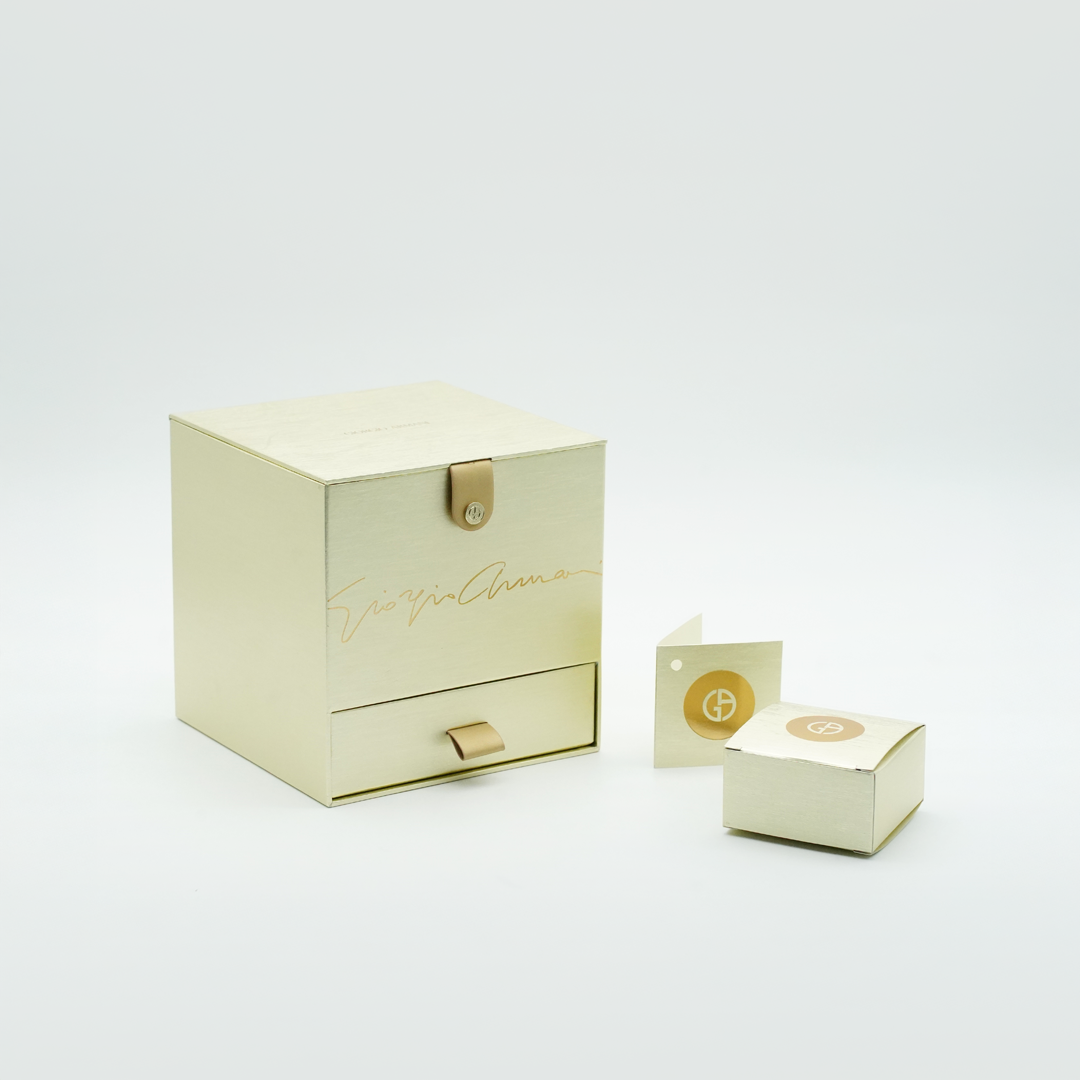
For example, using emboss/deboss, spot UV, matte + gloss contrasts on paper tubes or boxes to create tactile differences upon touch. Or adopting multi-layer structures (outer box + inner liner/insert) to deliver a sense of ceremony and layered surprises when opened, rather than plain unboxing.
In fragrance products especially, the synergy of “scent × packaging atmosphere” is key—packaging that uses materials, colors, and structures to echo the scent profile (e.g., natural, artisanal, luxurious, boutique feel) greatly enhances brand recognitio
- Sustainable Materials & Environmental Awareness
As consumer environmental consciousness rises, sustainable packaging is no longer optional but a symbol of brand trust and responsibility. This resonates strongly for fragrance, home, and lifestyle brands—using recyclable or eco-friendly materials builds deep connections.
Examples: Replacing plastic/composites with FSC-certified paper, recycled paper/cardboard, recyclable paper tubes, or wood/natural caps. Structures trend toward simplification, reducing excess layers/decor to cut costs and waste.
For brands, this is a long-term investment—aligning values with consumers and preparing for future regulations/trends.

30-story office tower (2018-2019)
- Minimalist Luxury + Natural Texture Fusion
Many beauty/fragrance brands in recent years adopt “quiet luxury”: minimalist, understated, high-texture, yet detail-oriented.
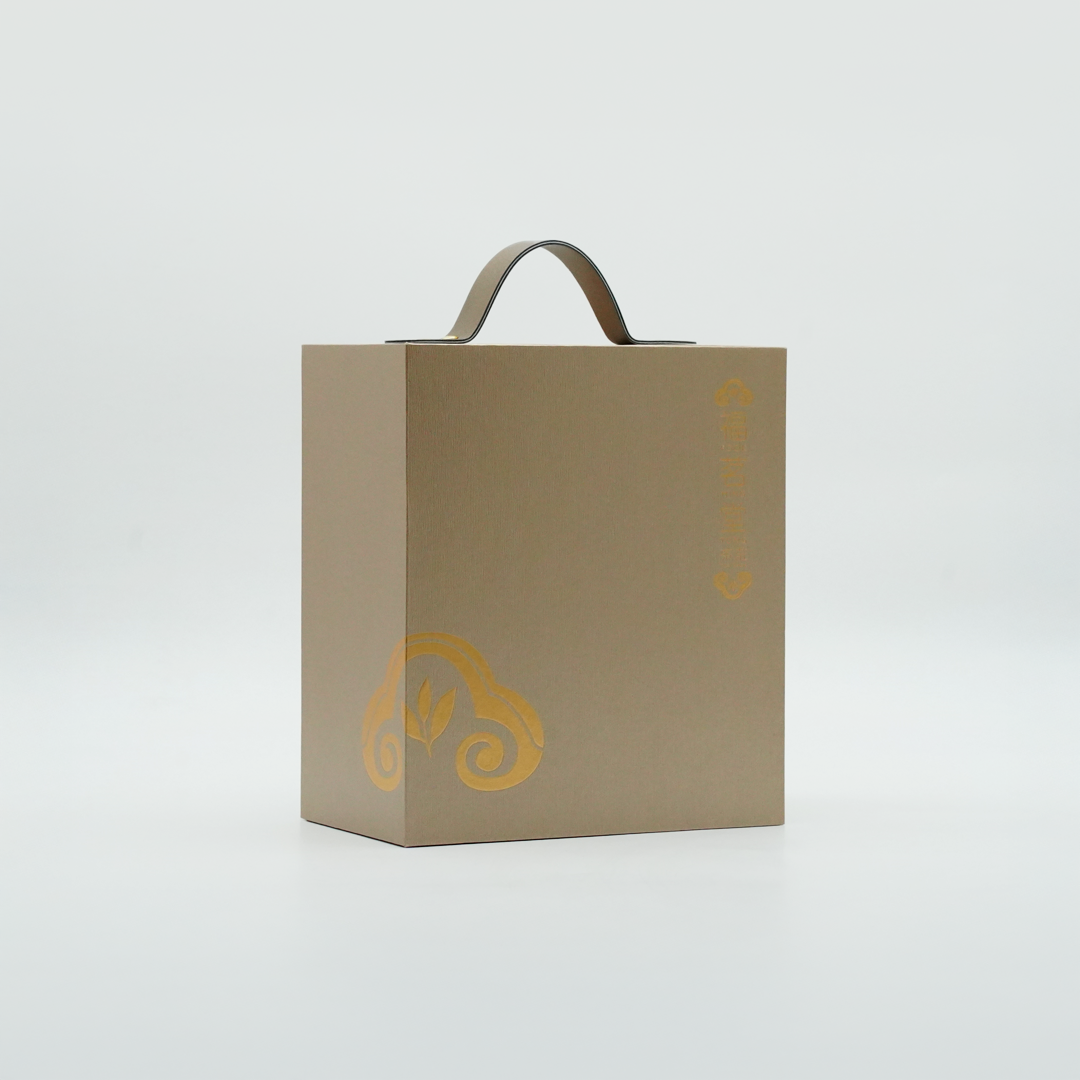
Matte finishes, soft neutrals (beige, greys, white, cream), clean typography + no clutter to convey premium professionalism. For natural/handmade/sustainable fragrances, incorporate wood, paper textures, rustic illustrations, plant motifs for an “earthy/authentic” vibe.
This suits luxury scents and modern consumers’ preference for subtle, textured, non-flashy aesthetics—gaining traction in European, American, and Asian high-end markets.
- Integration with Brand Stories—Packaging as the Brand Itself
Fragrance itself is extremely rich in narrative; packaging design should serve as the bridge connecting the brand’s philosophy, usage scenarios, and consumers’ emotions. Packaging is not merely a wrapper for the product—it is a tool for “telling stories.” This is highly valued in 2026’s design trends.
- Using matte finishes, soft neutral tones (beige, gray tones, white, cream), minimalist typography + no excessive elements to convey a sense of high-end quality and professionalism.
- In naturally positioned, handmade, or sustainable fragrance products, elements such as wood textures, paper textures, rustic illustrations, and botanical patterns are often incorporated to create a “natural and rustic” packaging atmosphere.
- This style suits both boutique fragrances and aligns with modern consumers’ aesthetic preferences for “understated, textured, and non-flashy” looks—particularly gaining popularity in European, American, and Asian luxury markets.
For example, incorporating information about material sources, environmental philosophy, production stories, etc., on the packaging, instruction cards, or paper boxes allows consumers to understand the deeper values behind the brand—not just its surface aesthetics.
- For fragrance brands, this storytelling power is especially crucial — because scents are inherently intangible, the atmosphere and narrative constructed through packaging design help consumers “feel the world behind the fragrance.”
- It provides particular added value for startups or independent brands — consistently implementing a unified brand visual language and values across the packaging builds a stronger, more enduring brand image than simply chasing flashy or ornate designs.
Fragrance packaging design in 2025 has far surpassed just “looking good.” It is a multi-sensory experience, an extension of brand values, and a bridge for forging emotional connections with consumers.
If you’re currently designing packaging for your fragrance series, making good use of these design trends and strategies will not only help your products stand out among the crowd but also infuse your brand with genuine “soul”—leaving a lasting, profound impression on consumers.