
In the packaging of products like food, coffee, tea, health supplements, and dry goods, choosing the right material often determines whether the product can maintain its quality and value over the long term. The Aluminum Foil Bag, with its excellent barrier properties, sealability, and flexibility for custom design, has become the first choice for a growing number of brands. This article will analyze the structure, functions, design, and printing practices of aluminum foil bags to help you create packaging that is both aesthetically pleasing and practical.

What is an Aluminum Foil Bag? — Analysis of Its Multi-Layer Composite Structure
Many people think an aluminum foil bag is just a “single layer of aluminum foil,” but in fact, it is a flexible packaging material composed of multiple layers. A typical structure is as follows:
Outer Layer: Usually a plastic film like PET (Polyester) or BOPA (Nylon) — provides the printable surface, structural strength, and puncture resistance.
Middle Layer: Aluminum Foil (AL) — This is the barrier layer, responsible for blocking oxygen, moisture, light, and odors.
Inner Layer: PE (Polyethylene) or CPP (Cast Polypropylene) — Serves as the food-contact layer and heat-seal layer, used for sealing.
This three-layer structure combines the advantages of each material, making the aluminum foil bag highly barrier-resistant, sealable, printable, and sealable. For even higher barrier properties, puncture resistance, or tolerance to high/low temperatures, composite structures with 4, 5, or more layers are available on the market.
The 5 Core Advantages of Aluminum Foil Bags
1. Exceptional Barrier Performance
The aluminum foil layer makes it nearly impermeable to oxygen, moisture, and light — with an oxygen transmission rate close to zero, extremely low moisture vapor transmission, and complete light blockage. This is crucial for preventing oxidation, moisture damage, and fading, making it especially suitable for high-quality products like coffee, tea, nuts, and medicinal herbs.
2. Extends Product Shelf Life
Due to its excellent barrier effect, the shelf life of many food or dry goods can be significantly extended when using aluminum foil bags — for example, coffee, tea, nuts, and Chinese herbs. This means the product’s original quality can be maintained even after transportation, storage, and distribution.
3. Light-Blocking, Moisture-Proof, and Odor-Resistant
For products that need protection from light, moisture, and to retain aroma (like coffee beans, spices, dried fruits), the barrier layer of an aluminum foil bag effectively prevents light exposure and humidity, and stops odors from escaping or entering.
4. Enhances Product Value and Brand Image
Compared to ordinary plastic bags, aluminum foil bags inherently convey an impression of “professionalism, freshness, and high quality.” For mid-to-high-end products, good packaging can elevate the consumer’s first impression and the perceived value of the brand.
5. High Cost-Effectiveness — More Economical in the Long Run
Although the per-unit cost of an aluminum foil bag is typically 2–3 times higher than that of a regular plastic bag, it represents a long-term, cost-effective investment for brands. This is because it helps avoid product spoilage, loss of flavor, returns, or customer complaints, while also extending shelf life and increasing repurchase rates.

Common Types of Aluminum Foil Bags and Their Applications
Depending on packaging needs and marketing methods, aluminum foil bags come in various styles. Here are several common types and their pros and cons:
| Type | Characteristics | Suitable Applications |
|---|---|---|
| Three-Side Seal Bag | Most basic style, heat-sealed on three sides, one side open. | One-time use packaging, vacuum packaging, mass production. |
| Stand-up Pouch | Has a gusset at the bottom to allow standing, often paired with a zipper or resealable feature. | Retail channels, shelf display, coffee, nuts, tea, snacks. |
| Zipper/Resealable Pouch | Convenient for repeated opening/closing, suitable for consumer multi-use. | Snacks, nuts, powdered products, bulk packaging. |
| Double Seal / Top & Bottom Seal Bag | High seal integrity, stronger moisture and oxidation protection. | Foods, health supplements, items requiring long-term preservation. |
| Special Structure Bags (e.g., with degassing valve, anti-static bags) | Customized based on needs, e.g., for degassing, light-blocking, anti-static. | Coffee beans, electronic components, pharmaceuticals, sensitive materials. |
Choosing the right bag type based on product characteristics and sales channels can balance functionality, preservation, display appeal, and user convenience.
Key Steps in Aluminum Foil Bag Design and Printing
To make an aluminum foil bag not just “functional” but also “eye-catching, durable, and brand-appropriate,” the design and printing stages are crucial. The main processes and considerations are:
Confirm Purpose & Product Attributes — e.g., Is it for food? Does it need a degassing valve? Should it stand for display? Is a zipper needed? Are anti-static, moisture-proof, or light-proof functions required?
Select Appropriate Layer Structure & Materials — For example, a PET/AL/PE three-layer structure is basic. For higher barrier properties, puncture resistance, or temperature tolerance, 4-layer or 5-layer composite structures can be chosen.
Pouch Design & Visual Design — Includes LOGO, brand identity, color scheme, layout, whitespace, and product information to align the packaging with brand positioning and market demands.
Printing & Finishing Decisions — Includes printing method, ink selection, and post-processing like anti-scratch/anti-fingerprint/matte lamination to enhance texture and durability.
Manufacturing & Quality Control — Steps involve printing, laminating, foil stamping/varnishing, heat sealing, and pouch forming, ensuring compliance with food-grade/safety/seal/barrier standards.
Testing & Functional Verification — Includes oxygen/water vapor barrier tests, seal integrity tests, puncture resistance tests, and storage tests to ensure the packaging performs as intended.
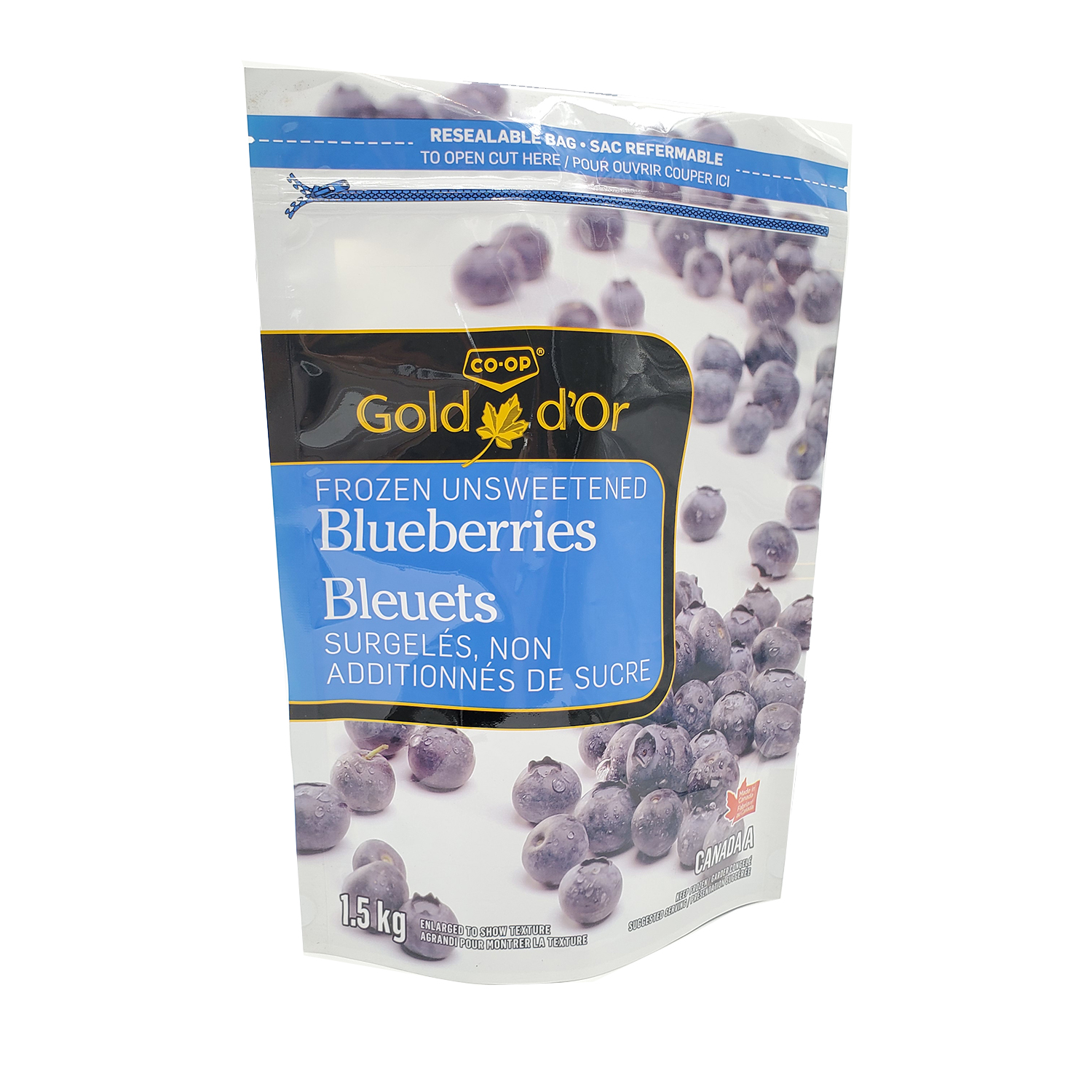
Product Categories Well-Suited for Aluminum Foil Bags
Aluminum foil bags are particularly suitable for packaging the following types of products. If your product falls into one of these categories, it is recommended to prioritize considering aluminum foil bags:
Coffee Beans, Ground Coffee, Tea Leaves, Loose Leaf Tea
Nuts, Dried Fruits, Grains, Grain Powders, Grain Mixes
Dry Goods, Spices, Herbs, Seasonings
Health Foods, Medicinal Herbs, Vitamins, Medicinal Powders (must comply with food/pharmaceutical packaging standards)
Frozen Foods, Dehydrated Foods, or any food/ingredient requiring protection from light, moisture, and oxidation
Precision Parts, Electronic Components (if aluminum foil bags with anti-static, moisture-proof, puncture-resistant structures are chosen)
How to Develop an Aluminum Foil Bag Packaging Strategy for Your Brand/Product
When considering aluminum foil bags as a packaging solution for your goods, these steps are crucial:
First, understand product requirements — Shelf life, sensitivity to light or humidity, need for resealability/degassing/stand-up display.
Select structure and bag type based on needs — Basic 3-layer vs. multi-layer high-barrier; three-side seal, stand-up pouch, zipper bag, etc.
Integrate brand identity with packaging design — Choose appropriate visual language and printing techniques according to brand positioning, making the packaging both protective and recognizable.
Communicate details with the printer/packaging manufacturer — Materials, inks, moisture/oxidation/puncture resistance, heat-sealing method, zipper/closure, degassing valve, etc.
Conduct functional and stability tests — Ensure the final product meets preservation, moisture-proof, sealing, and safety conditions.
Balance cost and value — Although aluminum foil bags have a higher unit price, in the long run they prevent losses due to poor product quality, making them more beneficial for the brand’s long-term development.
Conclusion: Choosing the Right Aluminum Foil Bag is Protecting Your Product and Brand
For products that emphasize quality, freshness, shelf life, flavor, or aroma (like coffee, tea, dried fruits, spices, health supplements…), adopting aluminum foil bag packaging is not just about “putting the product in something.” It is about guaranteeing quality, extending preservation, and enhancing brand image — an investment in being responsible to your customers and your brand.
If you are considering designing packaging for your own product, you may use this guide as a reference — choosing the right structure, bag type, printing, and design to make your packaging a “silent salesperson.”