2026 Fragrance Packaging Design Trends: Making Packaging Tell Stories and Create Sensory Experiences

2026 Fragrance Packaging Design Trends: Making Packaging Tell Stories and Create Sensory Experiences

2026 Fragrance Packaging Design Trends: Making Packaging Tell Stories and Create Sensory Experiences

4 Key Trends in Fragrance Packaging Design for 2026

In today’s increasingly competitive fragrance market, whether a bottle of perfume, a jar of candle, or a diffuser reed can attract consumer attention often depends not just on the scent itself, but on the first impression given the instant the packaging is opened. Especially in 2026, packaging design is no longer just a tool for protecting products or displaying goods—it has become the most direct and powerful sensory communication bridge between brands and consumers.
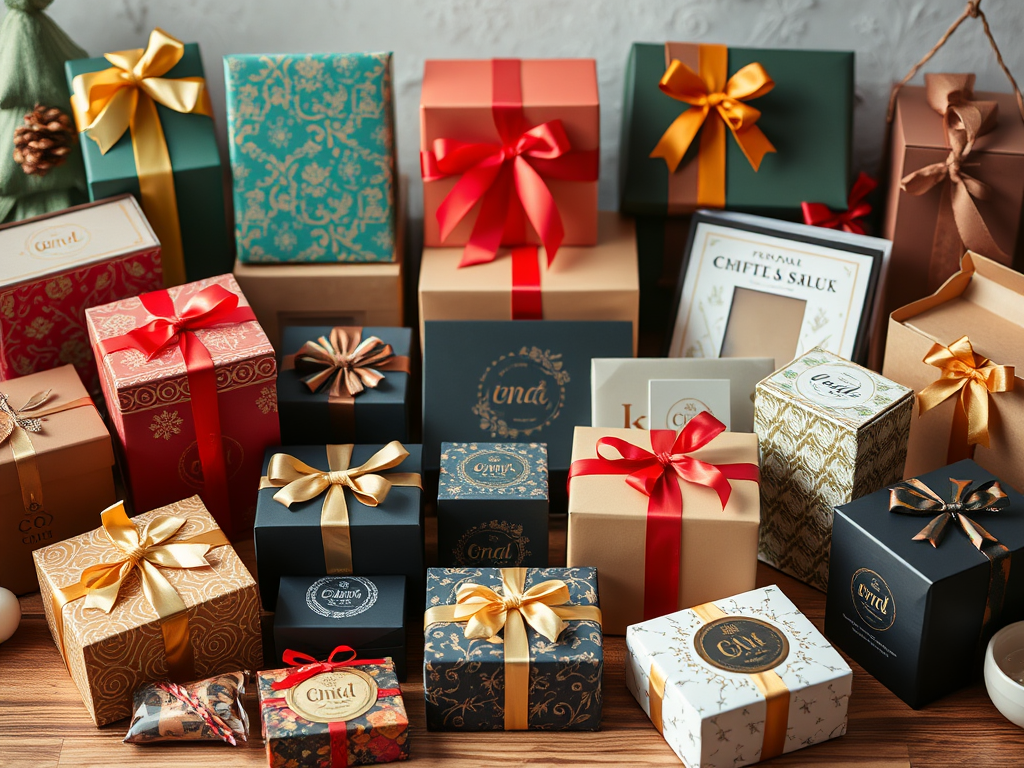
Through a design revolution, fragrance packaging will become a comprehensive carrier for brand stories, tactile experiences, and sustainability concepts. The following guidelines will help fragrance brands create more attractive and valuable packaging.

Not Just Visual, but Also “Touch,” “Sound,” and “Feel”

In 2026, high-end fragrance packaging is increasingly emphasizing sensory integration—far beyond just “beautiful patterns + text.” Prioritizing tactile feel, the sense of ritual in unboxing, materials, and craftsmanship has become the new standard.

custom packaging, custom food packaging, branded packaging, food packaging supplies, boxes

High-end fragrance packaging increasingly emphasizes sensory integration—not just “beautiful patterns + text.” Focus on texture, unboxing ritual, materials, and craftsmanship is the new standard.

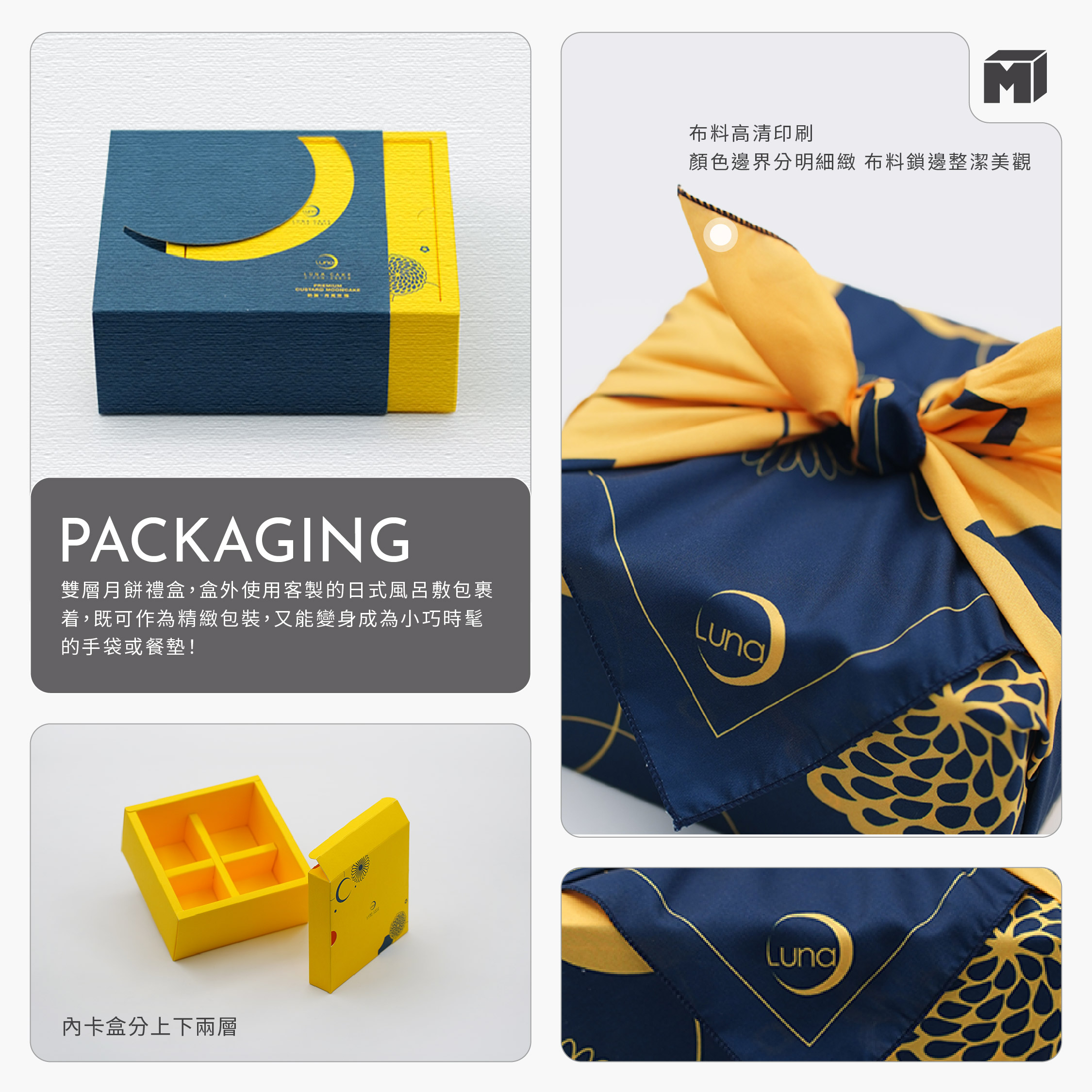
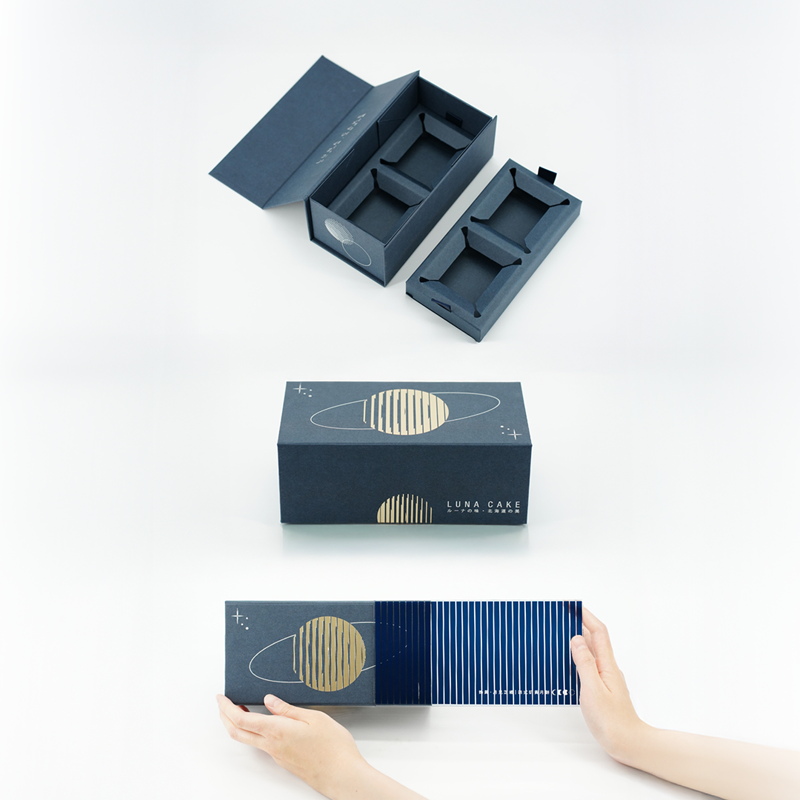
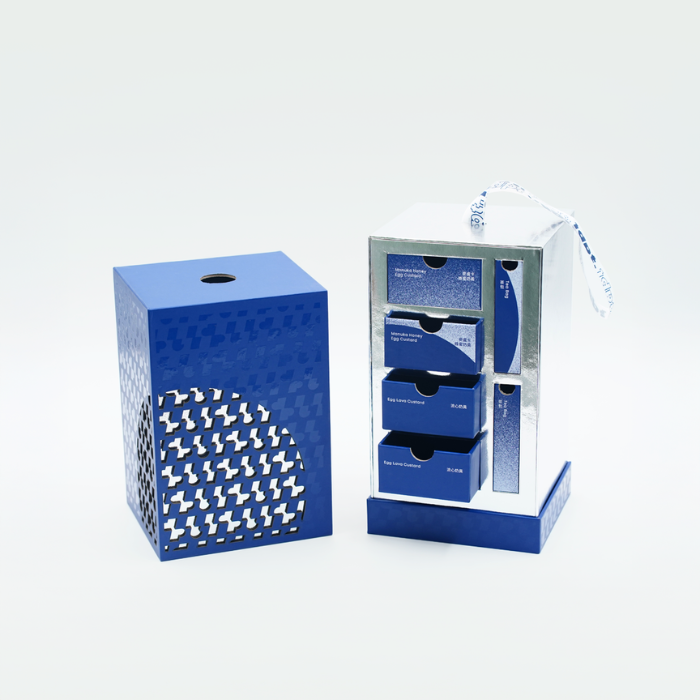
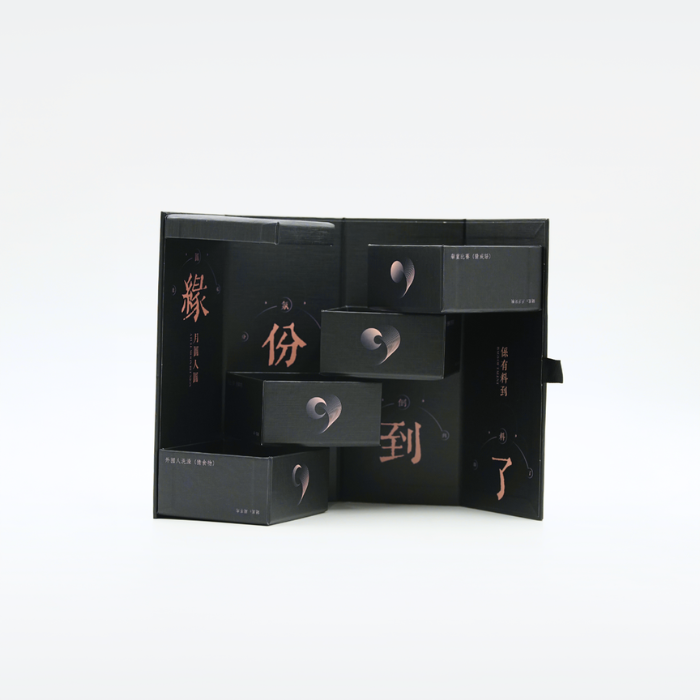
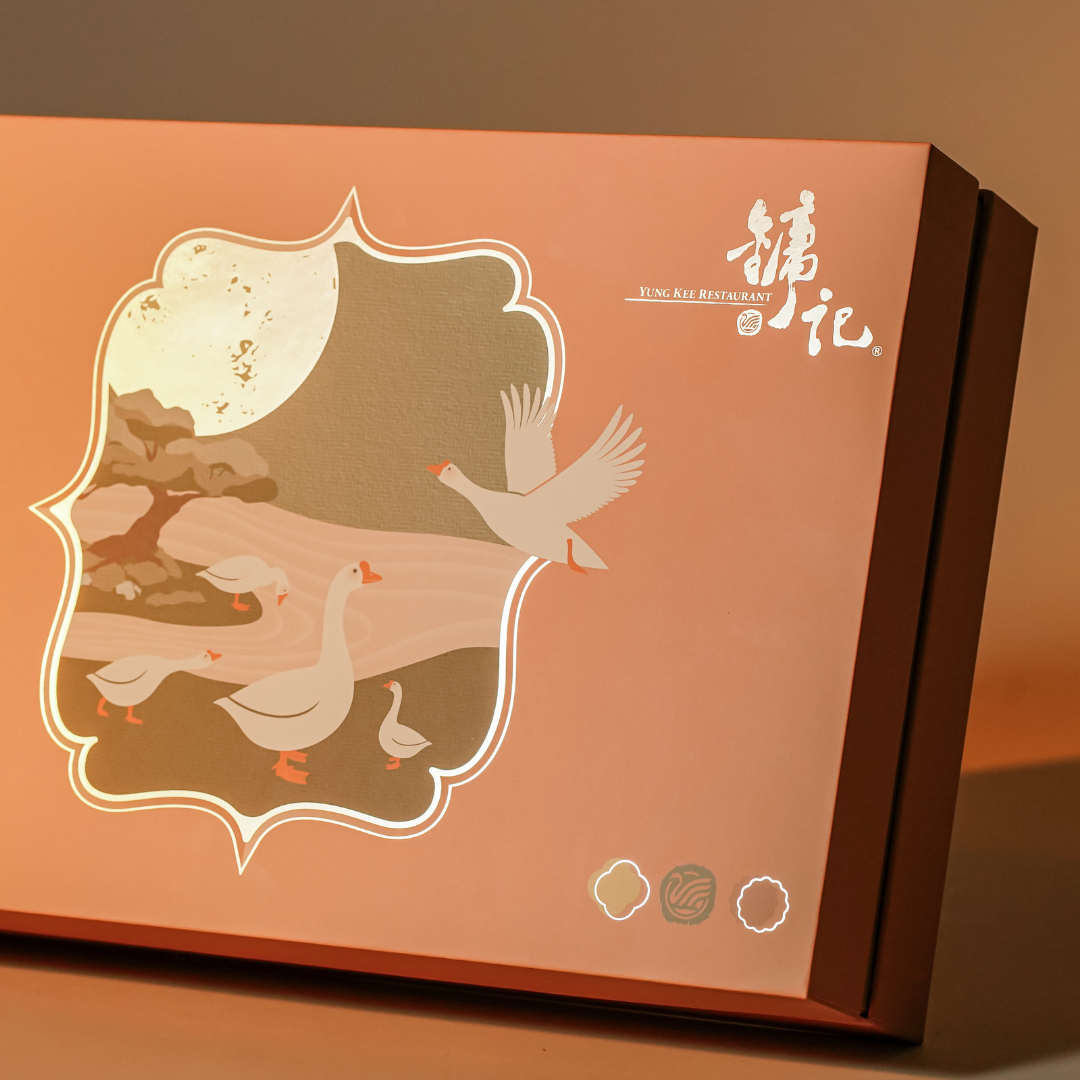
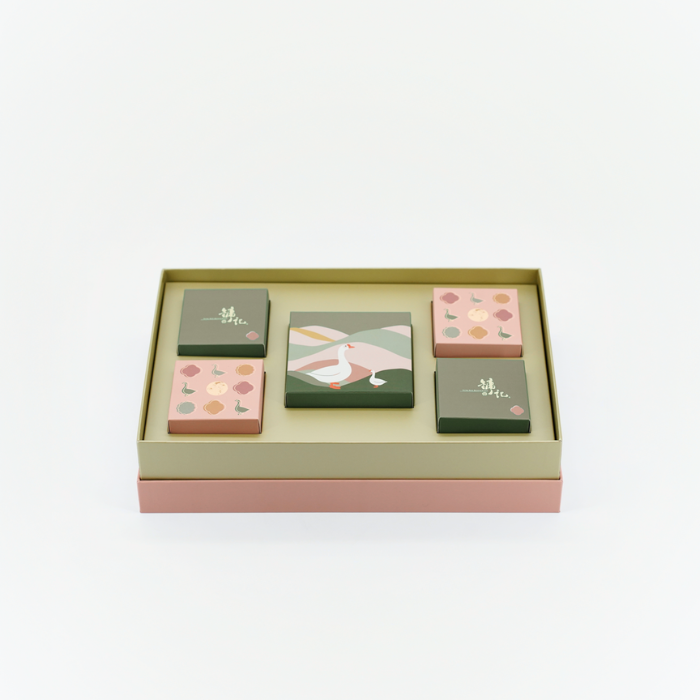
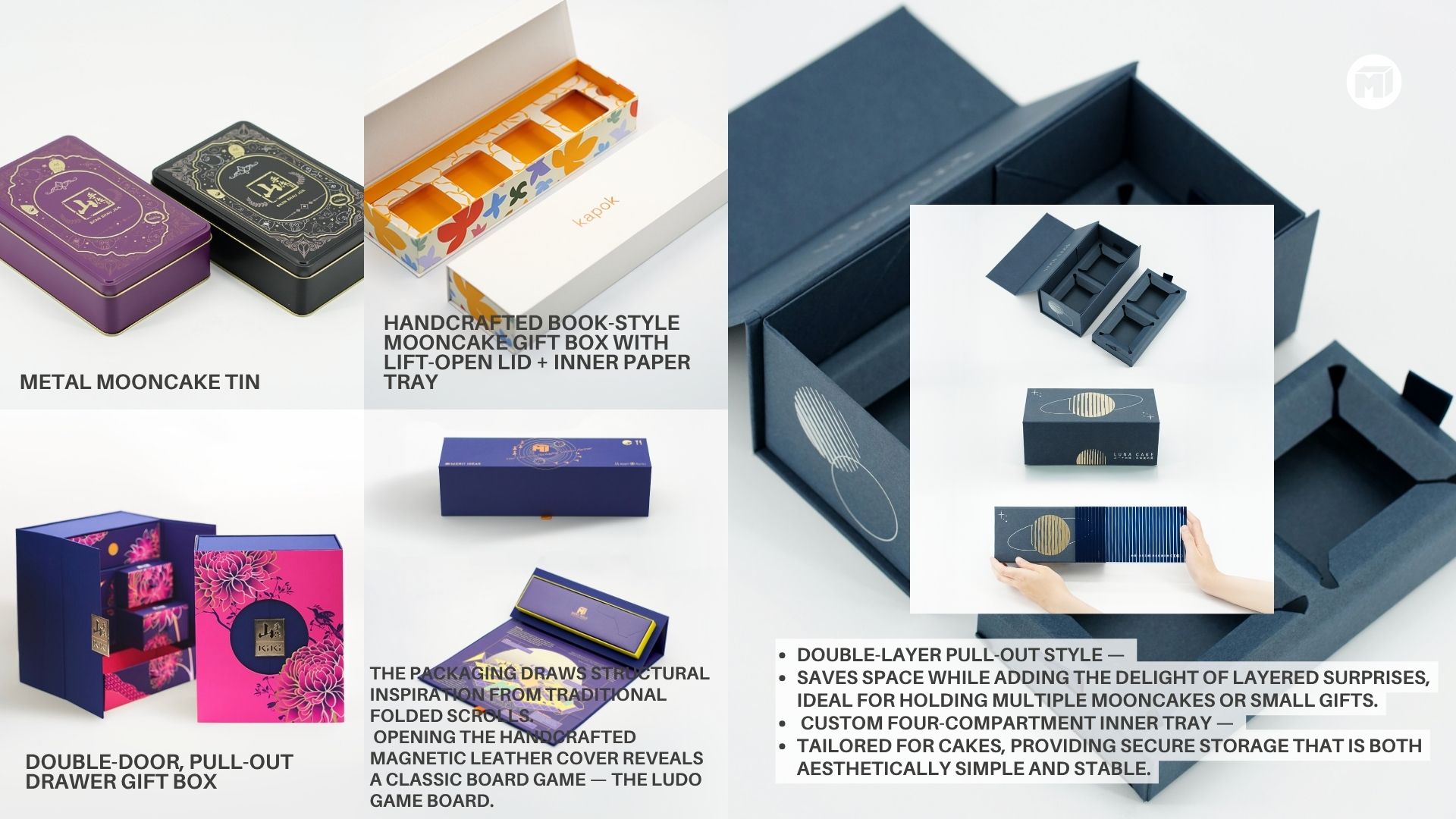
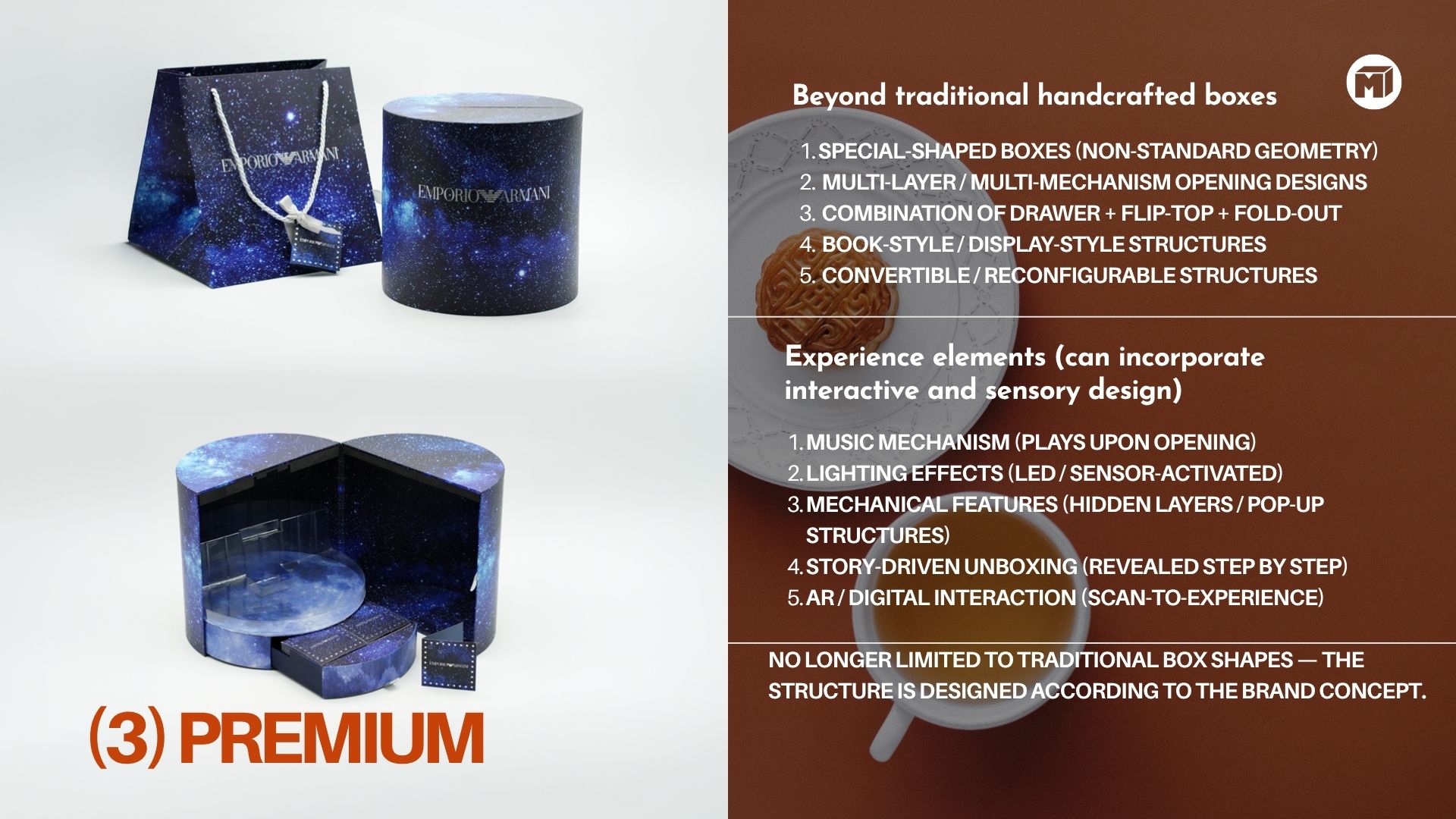
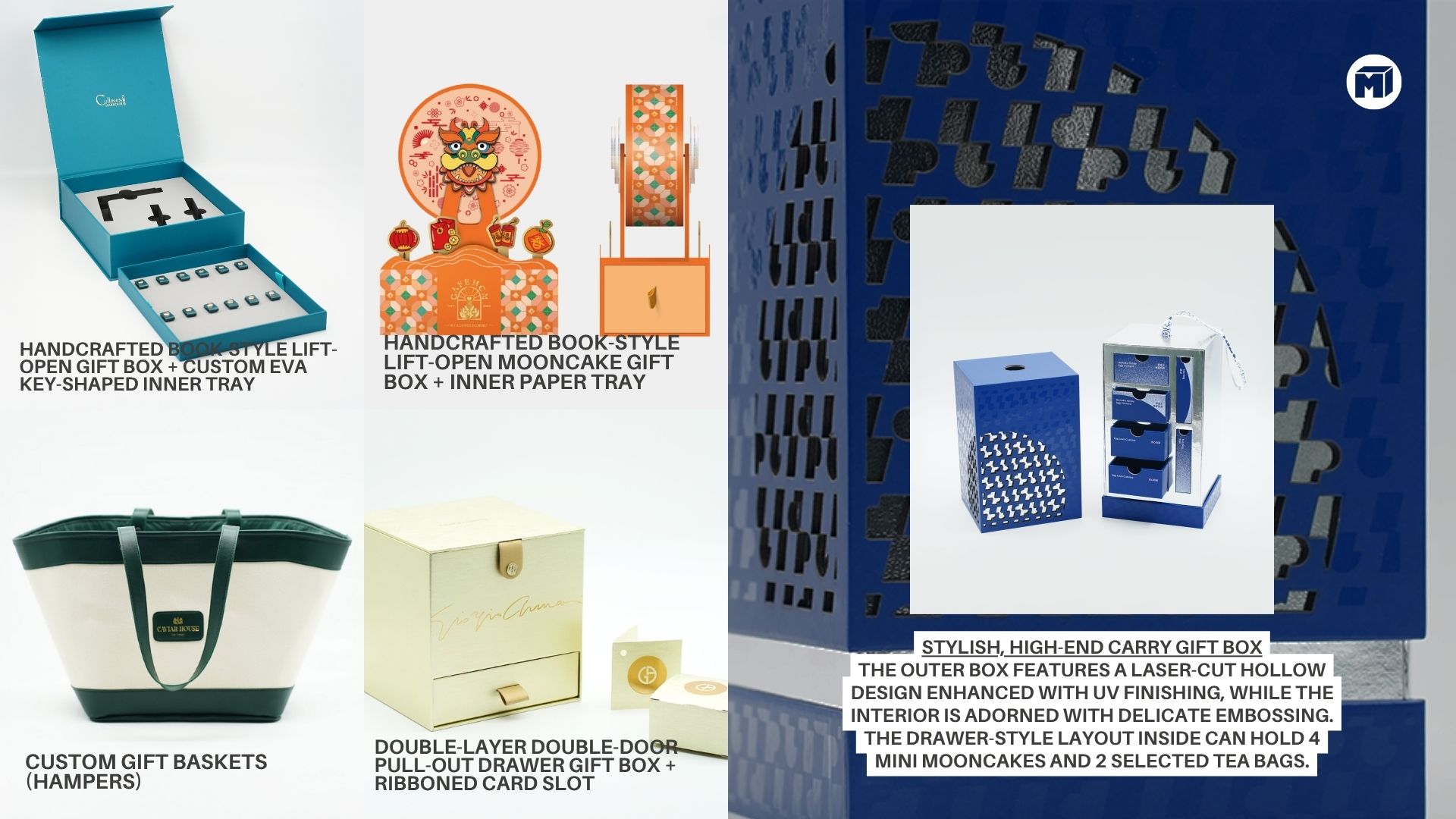
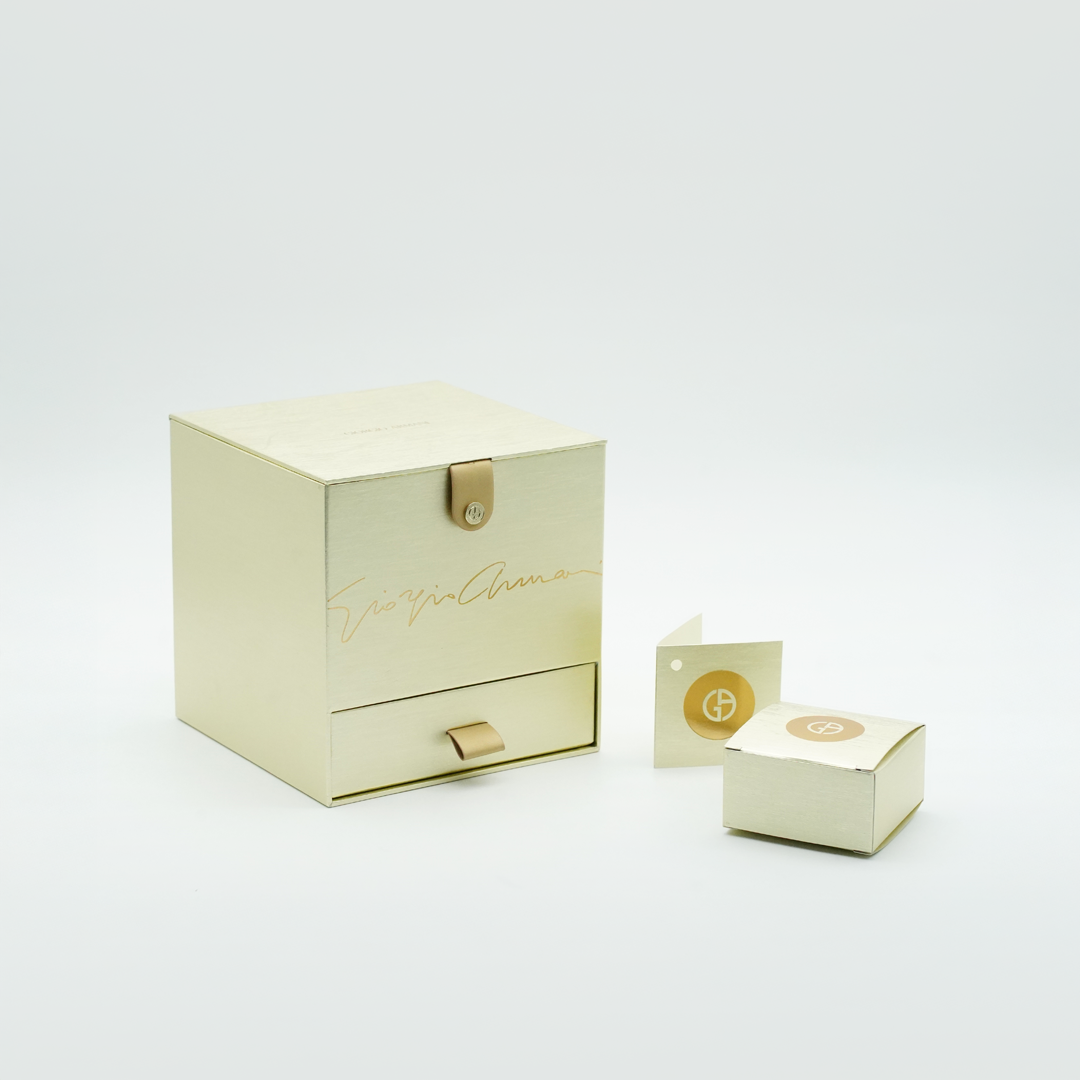
For example, using emboss/deboss, spot UV, matte + gloss contrasts on paper tubes or boxes to create tactile differences upon touch. Or adopting multi-layer structures (outer box + inner liner/insert) to deliver a sense of ceremony and layered surprises when opened, rather than plain unboxing.

In fragrance products especially, the synergy of “scent × packaging atmosphere” is key—packaging that uses materials, colors, and structures to echo the scent profile (e.g., natural, artisanal, luxurious, boutique feel) greatly enhances brand recognitio

As consumer environmental consciousness rises, sustainable packaging is no longer optional but a symbol of brand trust and responsibility. This resonates strongly for fragrance, home, and lifestyle brands—using recyclable or eco-friendly materials builds deep connections.

Examples: Replacing plastic/composites with FSC-certified paper, recycled paper/cardboard, recyclable paper tubes, or wood/natural caps. Structures trend toward simplification, reducing excess layers/decor to cut costs and waste.

For brands, this is a long-term investment—aligning values with consumers and preparing for future regulations/trends.

custom packaging, custom food packaging, branded packaging, food packaging supplies, paper boxes

30-story office tower (2018-2019)

Many beauty/fragrance brands in recent years adopt “quiet luxury”: minimalist, understated, high-texture, yet detail-oriented.

Matte finishes, soft neutrals (beige, greys, white, cream), clean typography + no clutter to convey premium professionalism. For natural/handmade/sustainable fragrances, incorporate wood, paper textures, rustic illustrations, plant motifs for an “earthy/authentic” vibe.

This suits luxury scents and modern consumers’ preference for subtle, textured, non-flashy aesthetics—gaining traction in European, American, and Asian high-end markets.

月餅盒, 訂製月餅盒, 月餅禮盒定製, 月餅包裝盒, 中秋禮盒定製, custom packaging, custom food packaging, boxes
Fragrance itself is extremely rich in narrative; packaging design should serve as the bridge connecting the brand’s philosophy, usage scenarios, and consumers’ emotions. Packaging is not merely a wrapper for the product—it is a tool for “telling stories.” This is highly valued in 2026’s design trends.
  • Using matte finishes, soft neutral tones (beige, gray tones, white, cream), minimalist typography + no excessive elements to convey a sense of high-end quality and professionalism.
  • In naturally positioned, handmade, or sustainable fragrance products, elements such as wood textures, paper textures, rustic illustrations, and botanical patterns are often incorporated to create a “natural and rustic” packaging atmosphere.
  • This style suits both boutique fragrances and aligns with modern consumers’ aesthetic preferences for “understated, textured, and non-flashy” looks—particularly gaining popularity in European, American, and Asian luxury markets.

For example, incorporating information about material sources, environmental philosophy, production stories, etc., on the packaging, instruction cards, or paper boxes allows consumers to understand the deeper values behind the brand—not just its surface aesthetics.

  • For fragrance brands, this storytelling power is especially crucial — because scents are inherently intangible, the atmosphere and narrative constructed through packaging design help consumers “feel the world behind the fragrance.”
  • It provides particular added value for startups or independent brands — consistently implementing a unified brand visual language and values across the packaging builds a stronger, more enduring brand image than simply chasing flashy or ornate designs.

Fragrance packaging design in 2025 has far surpassed just “looking good.” It is a multi-sensory experience, an extension of brand values, and a bridge for forging emotional connections with consumers.

If you’re currently designing packaging for your fragrance series, making good use of these design trends and strategies will not only help your products stand out among the crowd but also infuse your brand with genuine “soul”—leaving a lasting, profound impression on consumers.

月餅禮盒定製, 月餅包裝盒, 中秋禮盒定製, 訂製紙袋, 紅酒,威士忌紙袋訂做, 烘焙類包裝定製, 咖啡禮盒, 月餅禮盒

Share:

Facebook
Twitter
Pinterest
LinkedIn
Packaging Design Fundamentals: Crafting Eye-Catching and Practical Brand Packaging

Packaging Design Fundamentals: Crafting Eye-Catching and Practical Brand Packaging

Why Is Packaging Design So Important?

  • Packaging is more than just product protection; it is the first point of contact between a brand and its customer. Well-designed packaging establishes brand identity and builds anticipation even before the product is unboxed. Effective packaging elevates the consumer’s first impression and directly influences purchasing decisions.
  • For a brand, packaging is a crucial tool for extending brand identity. A consistent design style, color palette, and visual language help build brand recall and customer loyalty.
  • Packaging design carries the multi-faceted responsibilities of information communication, functional protection, and visual appeal. It must balance aesthetics with practicality, allowing consumers to instantly grasp product information while ensuring the product remains intact during transport and use.
custom packaging, custom food packaging, branded packaging, food packaging supplies, paper boxes

Core Elements of Packaging Design

Successful packaging design typically balances the following key aspects:

1. Visual Design: Color, Typography, and Imagery

  • Color possesses the power of emotion and psychological suggestion. For instance, blue often conveys professionalism and trust, green is easily associated with nature and health, while red suits bold, stimulating products. A strategic color palette instantly communicates a brand’s positioning and product characteristics.
  • Typography and layout should be clear and legible. Key information (brand name, product name, selling points) must stand out; taglines, subtitles, and details should be arranged logically so consumers can quickly grasp the essentials.
  • Appropriate imagery or illustrations can enhance a package’s appeal and storytelling. Especially for food, handmade, cultural, or specialty products, illustrations or product photos help consumers quickly understand the item’s attributes.

2. Structure & Material: Functionality and Sensory Quality

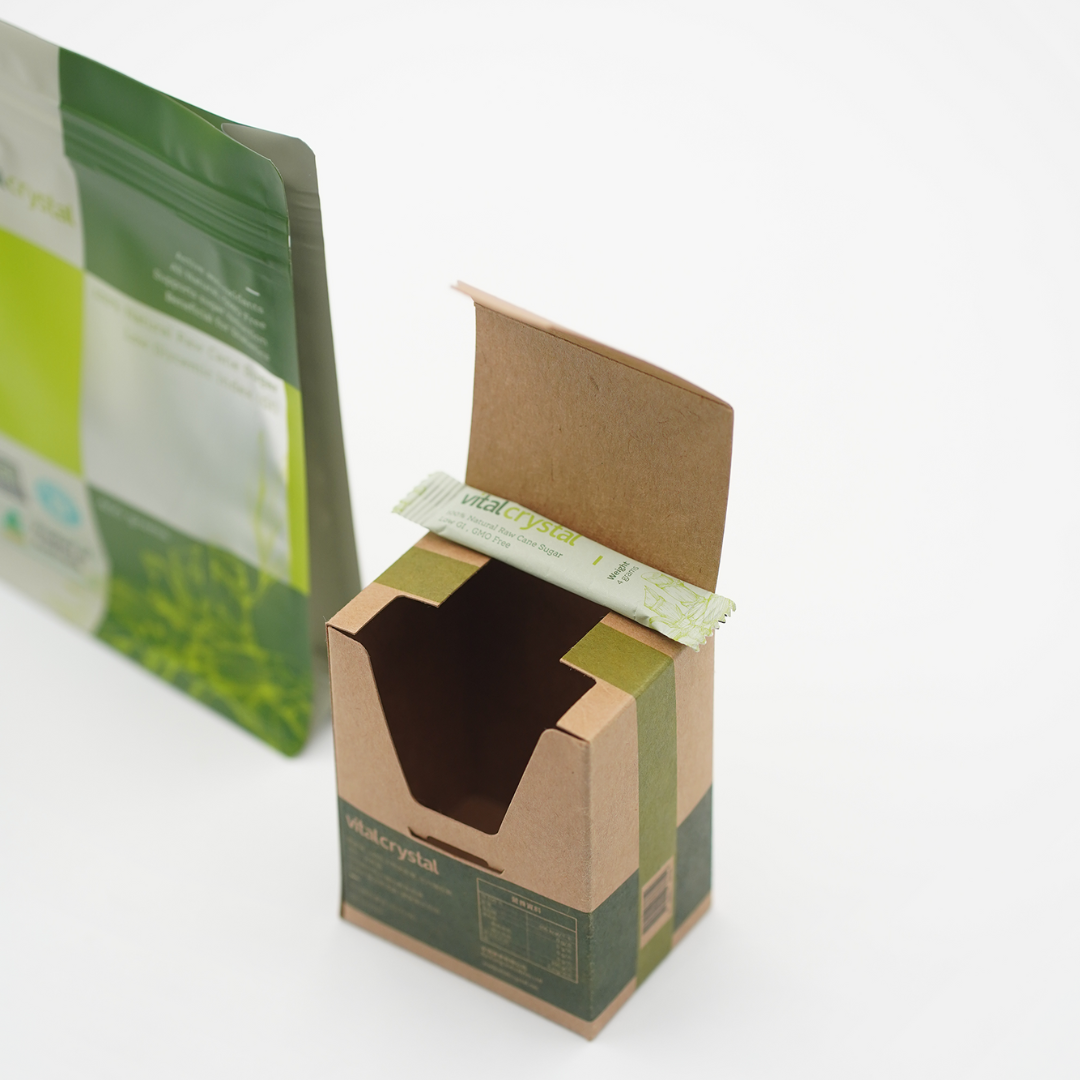
  • Packaging materials should be chosen based on product nature and sales channels. For example, food may require moisture-proof, crush-resistant paper or pouches, while premium goods might use high-quality paper boxes or magnetic closure boxes.
  • The structure and form of packaging also impact the consumer experience. Factors like box shape, opening mechanism, ease of unboxing, stackability, transport suitability, and compatibility with e-commerce logistics or physical shelf display must be considered from the initial design phase.
  • For brands advocating environmental sustainability, options like recycled paper, FSC-certified paper, or other eco-friendly materials can be chosen. This not only responds to trends but can also enhance brand image.

3. Brand Positioning & Market Strategy: From Concept to Style

Before designing packaging, it is essential to clarify the brand and product:

  • What is the brand personality? (e.g., tech-savvy / luxury / handmade / natural / playful)

  • Who is the target audience? What are their preferences, age group, and consumption habits?

  • What is the product’s use case and sales channel? (e.g., supermarket / e-commerce / gift box / high-end boutique)

Based on these variables, select the most suitable packaging style, such as minimalist, natural & handmade, luxury, lively & playful, vintage & nostalgic, or futuristic & tech. This ensures the packaging truly reflects the brand positioning, going beyond just being “visually pleasing.”
訂製月餅盒, 月餅禮盒定製, 月餅包裝盒, 中秋禮盒定製, custom packaging, custom food packaging, merit ideas, boxes

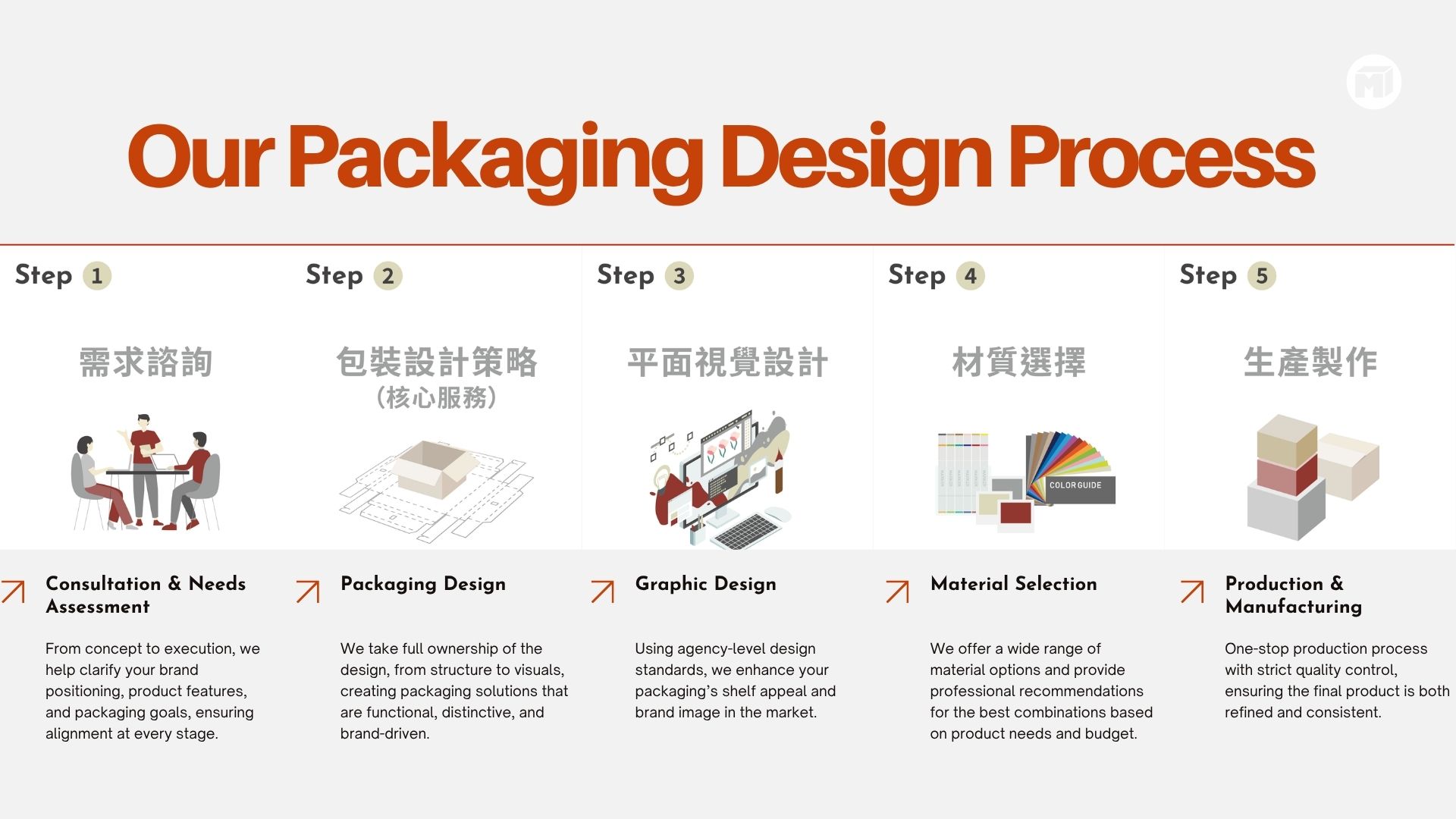
The Packaging Design Process: From Concept to Finished Product

  1. Brand Positioning & Market Research — Define brand positioning, target customers, competitor analysis, and market trends.

  2. Design Style & Visual Planning — Determine packaging style, color scheme, typography, imagery, and layout based on positioning.

  3. Material & Structural Design — Select materials and structural design according to product characteristics, transport needs, and usage scenarios.

  4. Visual Design & Layout — Includes logo, headlines, subtitles, illustrations or photos, and information field layout.

  5. Prototyping & Pre-Press Color Proofing — Produce samples to confirm material feel, print quality, color accuracy, and structural functionality against expectations.

  6. Mass Production & Quality Control — After production begins, continuously inspect packaging quality and consistency to ensure every batch meets standards.

  7. Market Testing & Optimization — Packaging design is not static. Adjust and optimize based on consumer feedback and market changes.

This comprehensive process ensures packaging design is not merely “good-looking” but truly effective in a commercial context.

Key Steps in Aluminum Foil Bag Design and Printing

To make an aluminum foil bag not just “functional” but also “eye-catching, durable, and brand-appropriate,” the design and printing stages are crucial. The main processes and considerations are:

  1. Confirm Purpose & Product Attributes — e.g., Is it for food? Does it need venting? Should it stand for display? Is a zipper needed? Are anti-static, moisture-proof, or light-proof functions required?

  2. Select Appropriate Layer Structure & Materials — For example, a PET/AL/PE three-layer structure is basic. For higher barrier properties, puncture resistance, or temperature tolerance, 4-layer or 5-layer composite structures can be chosen.

  3. Pouch Design & Visual Design — Includes LOGO, brand identity, color scheme, layout, whitespace, and product information to align the packaging with brand positioning and market demands.

  4. Printing & Finishing Decisions — Includes printing method, ink selection, and post-processing like anti-scratch/anti-fingerprint/matte lamination to enhance texture and durability.

  5. Manufacturing & Quality Control — Steps involve printing, laminating, foil stamping/varnishing, heat sealing, and pouch forming, ensuring compliance with food-grade/safety/seal/barrier standards.

  6. Testing & Functional Verification — Includes oxygen/water vapor barrier tests, seal integrity tests, puncture resistance tests, and storage tests to ensure the packaging performs as intended.

custom packaging, custom food packaging, branded packaging, food packaging supplies, boxes, 包裝盒, 食物盒

Conclusion: Packaging Design = Brand + Sales + Product Protection

For any product or brand, packaging design should not be reduced to “drawing a pretty picture” or “making a box”—it is a comprehensive art that integrates brand positioning, consumer psychology, material technology, and market strategy.

Successful packaging design not only protects the product and enhances functionality but also communicates brand value, captures attention, drives sales, and builds brand identity.

If you are designing packaging for a new product, you might start with these five steps: Brand Positioning → Market Research → Design Planning → Material Selection → Prototype Testing, to create packaging that is both practical and representative of your brand’s spirit.

The Complete Guide to Aluminum Foil Bag Printing and Design: Why It’s the Optimal Packaging Choice

The Complete Guide to Aluminum Foil Bag Printing and Design: Why It’s the Optimal Packaging Choice

In the packaging of products like food, coffee, tea, health supplements, and dry goods, choosing the right material often determines whether the product can maintain its quality and value over the long term. The Aluminum Foil Bag, with its excellent barrier properties, sealability, and flexibility for custom design, has become the first choice for a growing number of brands. This article will analyze the structure, functions, design, and printing practices of aluminum foil bags to help you create packaging that is both aesthetically pleasing and practical.

鋁膜袋,Aluminum foil bag, food bag

What is an Aluminum Foil Bag? — Analysis of Its Multi-Layer Composite Structure

Many people think an aluminum foil bag is just a “single layer of aluminum foil,” but in fact, it is a flexible packaging material composed of multiple layers. A typical structure is as follows:

  • Outer Layer: Usually a plastic film like PET (Polyester) or BOPA (Nylon) — provides the printable surface, structural strength, and puncture resistance.

  • Middle LayerAluminum Foil (AL) — This is the barrier layer, responsible for blocking oxygen, moisture, light, and odors.

  • Inner LayerPE (Polyethylene) or CPP (Cast Polypropylene) — Serves as the food-contact layer and heat-seal layer, used for sealing.

This three-layer structure combines the advantages of each material, making the aluminum foil bag highly barrier-resistant, sealable, printable, and sealable. For even higher barrier properties, puncture resistance, or tolerance to high/low temperatures, composite structures with 4, 5, or more layers are available on the market.

The 5 Core Advantages of Aluminum Foil Bags

1. Exceptional Barrier Performance
The aluminum foil layer makes it nearly impermeable to oxygen, moisture, and light — with an oxygen transmission rate close to zero, extremely low moisture vapor transmission, and complete light blockage. This is crucial for preventing oxidation, moisture damage, and fading, making it especially suitable for high-quality products like coffee, tea, nuts, and medicinal herbs.

2. Extends Product Shelf Life
Due to its excellent barrier effect, the shelf life of many food or dry goods can be significantly extended when using aluminum foil bags — for example, coffee, tea, nuts, and Chinese herbs. This means the product’s original quality can be maintained even after transportation, storage, and distribution.

3. Light-Blocking, Moisture-Proof, and Odor-Resistant
For products that need protection from light, moisture, and to retain aroma (like coffee beans, spices, dried fruits), the barrier layer of an aluminum foil bag effectively prevents light exposure and humidity, and stops odors from escaping or entering.

4. Enhances Product Value and Brand Image
Compared to ordinary plastic bags, aluminum foil bags inherently convey an impression of “professionalism, freshness, and high quality.” For mid-to-high-end products, good packaging can elevate the consumer’s first impression and the perceived value of the brand.

5. High Cost-Effectiveness — More Economical in the Long Run
Although the per-unit cost of an aluminum foil bag is typically 2–3 times higher than that of a regular plastic bag, it represents a long-term, cost-effective investment for brands. This is because it helps avoid product spoilage, loss of flavor, returns, or customer complaints, while also extending shelf life and increasing repurchase rates.

鋁膜袋,Aluminum foil bag

Common Types of Aluminum Foil Bags and Their Applications

Depending on packaging needs and marketing methods, aluminum foil bags come in various styles. Here are several common types and their pros and cons:


TypeCharacteristicsSuitable Applications
Three-Side Seal BagMost basic style, heat-sealed on three sides, one side open.One-time use packaging, vacuum packaging, mass production.
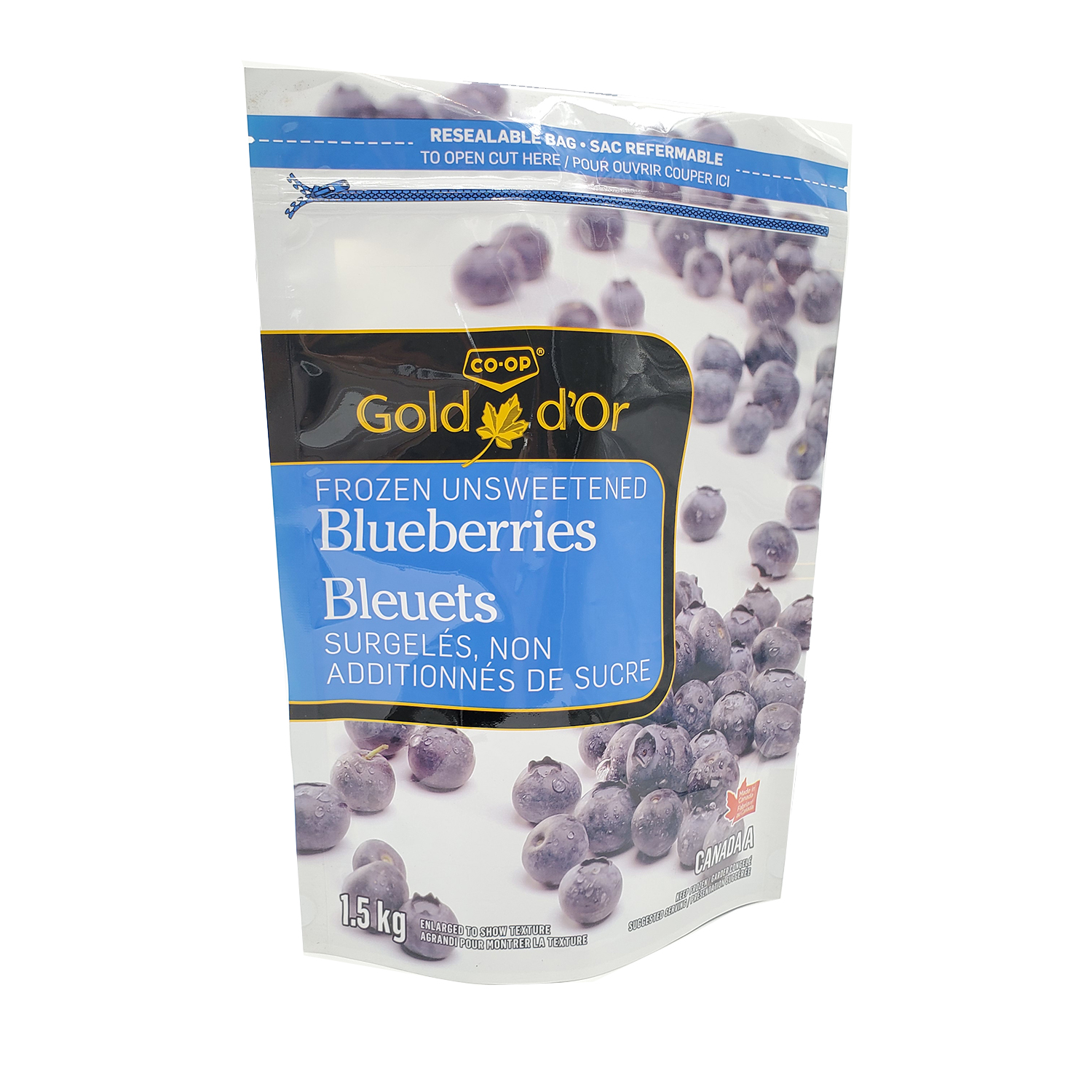
Stand-up PouchHas a gusset at the bottom to allow standing, often paired with a zipper or resealable feature.Retail channels, shelf display, coffee, nuts, tea, snacks.
Zipper/Resealable PouchConvenient for repeated opening/closing, suitable for consumer multi-use.Snacks, nuts, powdered products, bulk packaging.
Double Seal / Top & Bottom Seal BagHigh seal integrity, stronger moisture and oxidation protection.Foods, health supplements, items requiring long-term preservation.
Special Structure Bags
(e.g., with degassing valve, anti-static bags)
Customized based on needs, e.g., for degassing, light-blocking, anti-static.Coffee beans, electronic components, pharmaceuticals, sensitive materials.

Choosing the right bag type based on product characteristics and sales channels can balance functionality, preservation, display appeal, and user convenience.

Key Steps in Aluminum Foil Bag Design and Printing

To make an aluminum foil bag not just “functional” but also “eye-catching, durable, and brand-appropriate,” the design and printing stages are crucial. The main processes and considerations are:

  1. Confirm Purpose & Product Attributes — e.g., Is it for food? Does it need a degassing valve? Should it stand for display? Is a zipper needed? Are anti-static, moisture-proof, or light-proof functions required?

  2. Select Appropriate Layer Structure & Materials — For example, a PET/AL/PE three-layer structure is basic. For higher barrier properties, puncture resistance, or temperature tolerance, 4-layer or 5-layer composite structures can be chosen.

  3. Pouch Design & Visual Design — Includes LOGO, brand identity, color scheme, layout, whitespace, and product information to align the packaging with brand positioning and market demands.

  4. Printing & Finishing Decisions — Includes printing method, ink selection, and post-processing like anti-scratch/anti-fingerprint/matte lamination to enhance texture and durability.

  5. Manufacturing & Quality Control — Steps involve printing, laminating, foil stamping/varnishing, heat sealing, and pouch forming, ensuring compliance with food-grade/safety/seal/barrier standards.

  6. Testing & Functional Verification — Includes oxygen/water vapor barrier tests, seal integrity tests, puncture resistance tests, and storage tests to ensure the packaging performs as intended.

鋁膜袋,Aluminum foil bag, food bag

Product Categories Well-Suited for Aluminum Foil Bags

Aluminum foil bags are particularly suitable for packaging the following types of products. If your product falls into one of these categories, it is recommended to prioritize considering aluminum foil bags:

  • Coffee Beans, Ground Coffee, Tea Leaves, Loose Leaf Tea

  • Nuts, Dried Fruits, Grains, Grain Powders, Grain Mixes

  • Dry Goods, Spices, Herbs, Seasonings

  • Health Foods, Medicinal Herbs, Vitamins, Medicinal Powders (must comply with food/pharmaceutical packaging standards)

  • Frozen Foods, Dehydrated Foods, or any food/ingredient requiring protection from light, moisture, and oxidation

  • Precision Parts, Electronic Components (if aluminum foil bags with anti-static, moisture-proof, puncture-resistant structures are chosen)

How to Develop an Aluminum Foil Bag Packaging Strategy for Your Brand/Product

When considering aluminum foil bags as a packaging solution for your goods, these steps are crucial:

  1. First, understand product requirements — Shelf life, sensitivity to light or humidity, need for resealability/degassing/stand-up display.

  2. Select structure and bag type based on needs — Basic 3-layer vs. multi-layer high-barrier; three-side seal, stand-up pouch, zipper bag, etc.

  3. Integrate brand identity with packaging design — Choose appropriate visual language and printing techniques according to brand positioning, making the packaging both protective and recognizable.

  4. Communicate details with the printer/packaging manufacturer — Materials, inks, moisture/oxidation/puncture resistance, heat-sealing method, zipper/closure, degassing valve, etc.

  5. Conduct functional and stability tests — Ensure the final product meets preservation, moisture-proof, sealing, and safety conditions.

  6. Balance cost and value — Although aluminum foil bags have a higher unit price, in the long run they prevent losses due to poor product quality, making them more beneficial for the brand’s long-term development.

Conclusion: Choosing the Right Aluminum Foil Bag is Protecting Your Product and Brand

For products that emphasize quality, freshness, shelf life, flavor, or aroma (like coffee, tea, dried fruits, spices, health supplements…), adopting aluminum foil bag packaging is not just about “putting the product in something.” It is about guaranteeing quality, extending preservation, and enhancing brand image — an investment in being responsible to your customers and your brand.

If you are considering designing packaging for your own product, you may use this guide as a reference — choosing the right structure, bag type, printing, and design to make your packaging a “silent salesperson.”

包裝設計:提升品牌形象的關鍵|品牌提升必看的完整指南

包裝不只是保護產品,更是品牌向消費者表達定位、個性與價值觀的方式。當市場上有大量同質化產品時,包裝設計就是讓消費者願意停下腳步、看見你的品牌的重要契機。

Merit Ideas的包裝設計優勢:

包裝設計在品牌中的三大作用:

  1. 建立識別度(Brand Recognition)
    統一的色彩、字體、視覺語言能加深記憶點。


  2. 提升產品價值感(Value Perception)
    優質包裝讓產品看起來更高級、更值得購買。


  3. 強化品牌情感連結(Emotional Connection)
    特別是開箱體驗,能直接影響消費者對品牌的好感度。

⭐ 包裝設計如何有效提升品牌形象?

包裝設計要成功,不只是「漂亮」而已,更需要從品牌策略出發。

1. 視覺設計:傳遞品牌訊息的第一步

視覺元素能在 3 秒內影響購買行為,是品牌形象的核心基礎。

視覺設計重點包括:

  • 品牌色彩系統(Brand Colors)
  • 統一字體與排版
  • Logo 的清晰呈現
  • 符合品牌個性的圖形或插畫風格
  • 資訊結構清楚、易讀
一致而明確的視覺語言會讓品牌顯得專業、有信任感。

2. 材質選擇:高質感從觸感開始

消費者拿起包裝的那一刻,材質就直接影響評價。

常見材質選擇:

  • 特種紙、霧面卡紙、白牛皮紙
  • 塑膠(PET、HDPE)、玻璃、金屬
  • 環保材料、再生紙、生物可降解材

材質如何影響品牌形象:

  • 厚摺紙:帶來高端穩重感
  • 霧面材質:呈現簡約時尚感
  • 環保紙:傳遞永續理念
  • 透明材質:強調產品本身與清新感

每種材質都應反映品牌定位與產品性質。

3. 印刷與工藝:提升品牌質感的細節

優質包裝的「質感」大多來自印刷與加工工藝。

常見強化品牌形象的工藝:

  • 燙金、燙銀:奢華高端
  • 壓凹、壓凸:提升觸感
  • 局部 UV:凸顯視覺焦點
  • 霧膜 / 亮膜 / 觸感膜:增加手感層次
  • 特別刀模、特殊開窗:增加特色與辨識度

這些工藝能讓包裝呈現出「專業品牌」與「高水準產品」的形象。

3. 印刷與工藝:提升品牌質感的細節

優質包裝的「質感」大多來自印刷與加工工藝。

常見強化品牌形象的工藝:

  • 燙金、燙銀:奢華高端
  • 壓凹、壓凸:提升觸感
  • 局部 UV:凸顯視覺焦點
  • 霧膜 / 亮膜 / 觸感膜:增加手感層次
  • 特別刀模、特殊開窗:增加特色與辨識度

這些工藝能讓包裝呈現出「專業品牌」與「高水準產品」的形象。

4. 開箱體驗(Unboxing Experience):建立情感連結

開箱體驗已成為現代品牌行銷不可或缺的一部份。

好的開箱體驗能:

  • 增加消費者拍照分享的動機(UGC)


  • 打造品牌的儀式感


  • 彰顯產品細緻度與貼心度


  • 讓品牌顯得更有質感與故事性


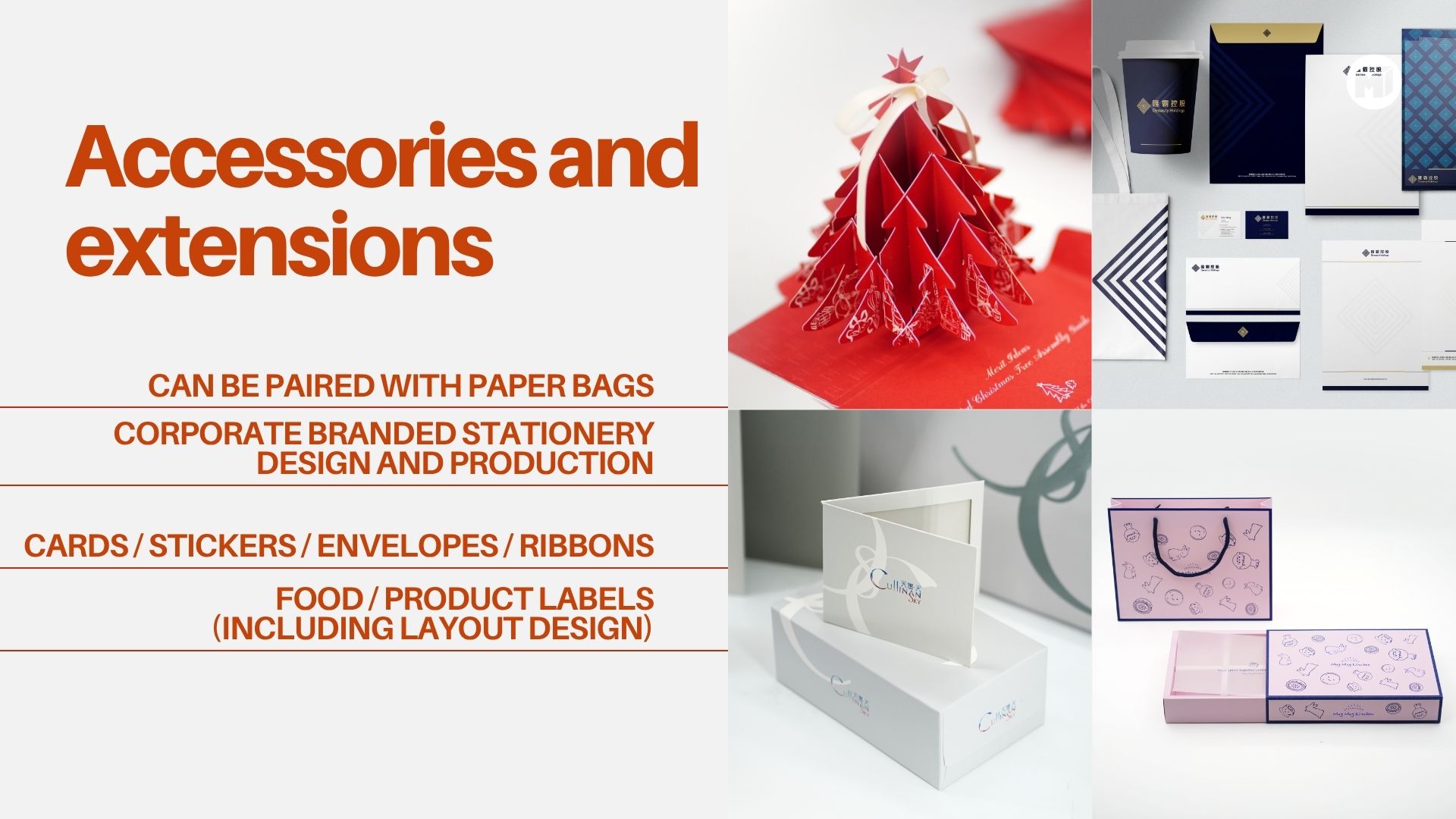
例如:分層包裝、品牌語句、小卡片、絲帶、特別結構等,都能成為加分元素。

5. 永續包裝:提升品牌形象的新趨勢

越來越多消費者重視環保,永續包裝已成為品牌形象必備的一部分。

永續包裝方式包括:

  • 使用回收材質

  • 減少不必要的包材

  • 採用可分解或生物基材料

  • 降低油墨與印刷化學物使用

永續包裝不只吸引新客,也能提升品牌責任感與企業形象。

包裝設計也是一種行銷策略

包裝本身就是品牌的「行走廣告」。

重複使用的包裝能:

  • 延長品牌曝光

  • 提高品牌留存

  • 讓客戶無形中成為品牌推廣者

因此,品牌愈來愈重視包裝設計作為長期行銷工具。

📌 結語:讓包裝設計成為品牌形象的最佳投資

包裝設計不只是外觀,而是品牌價值與產品定位的延伸。
一個好的包裝能吸引目光、提升質感、強化情感連結,甚至成為品牌的最大競爭優勢。

如果你希望讓品牌更被看見、更具記憶點、更有質感,從包裝設計開始,就是最直接、最有效的策略。

包裝設計 vs 一般設計:從「美觀」到「體驗」的專業差異

One-Stop Custom Service, 一站式全定制服務, 客製化禮盒服務, merit ideas, custom packaging

一般設計(如平面設計、品牌設計、社交媒體設計)著重於視覺傳達與品牌形象,目的是吸引用戶、傳達訊息與提升品牌辨識度。
而包裝設計(Packaging Design)除了包括以上,再進一步結合了結構工藝、印刷技術,是一種兼具美學與功能性的整合設計。

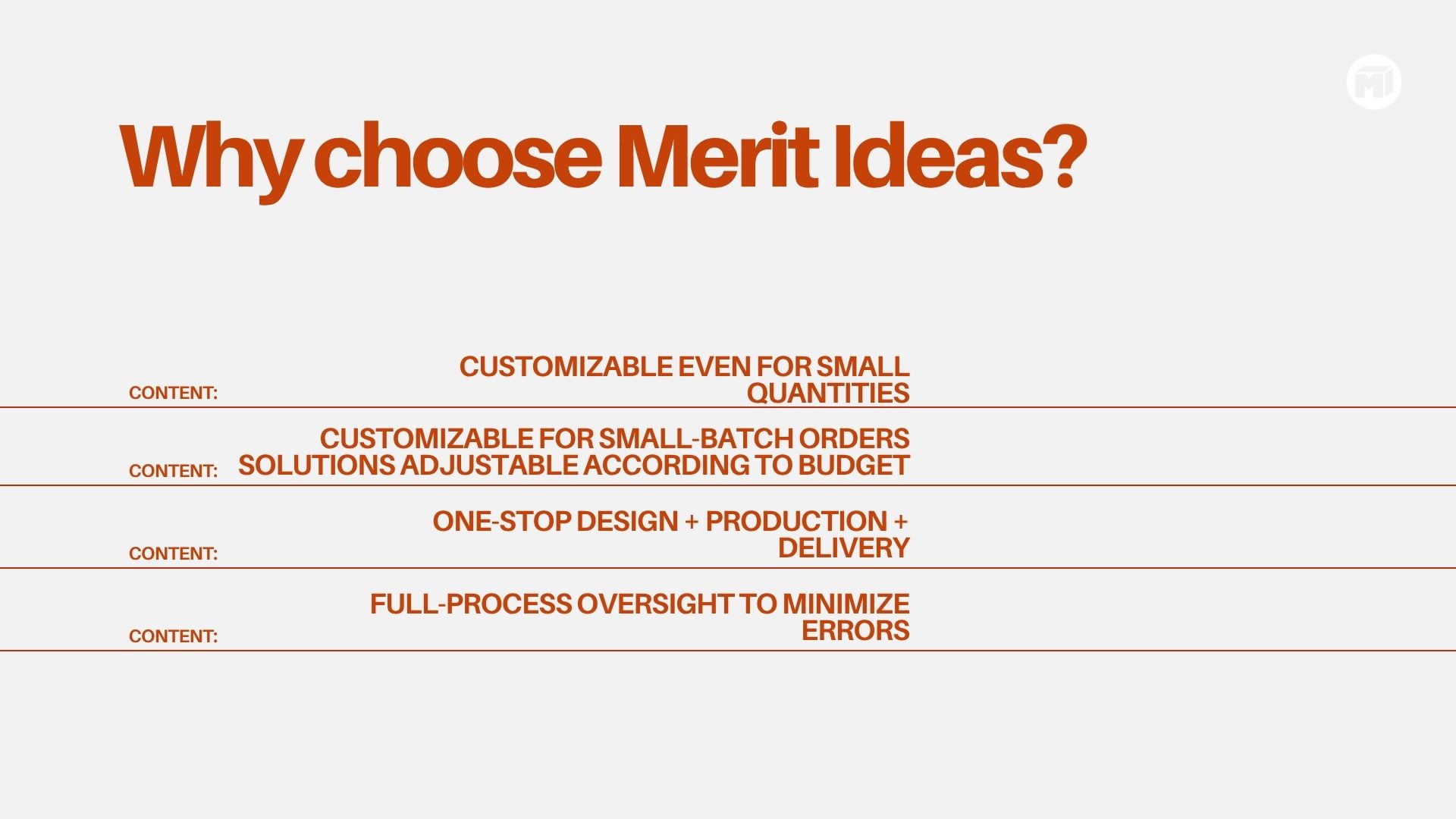
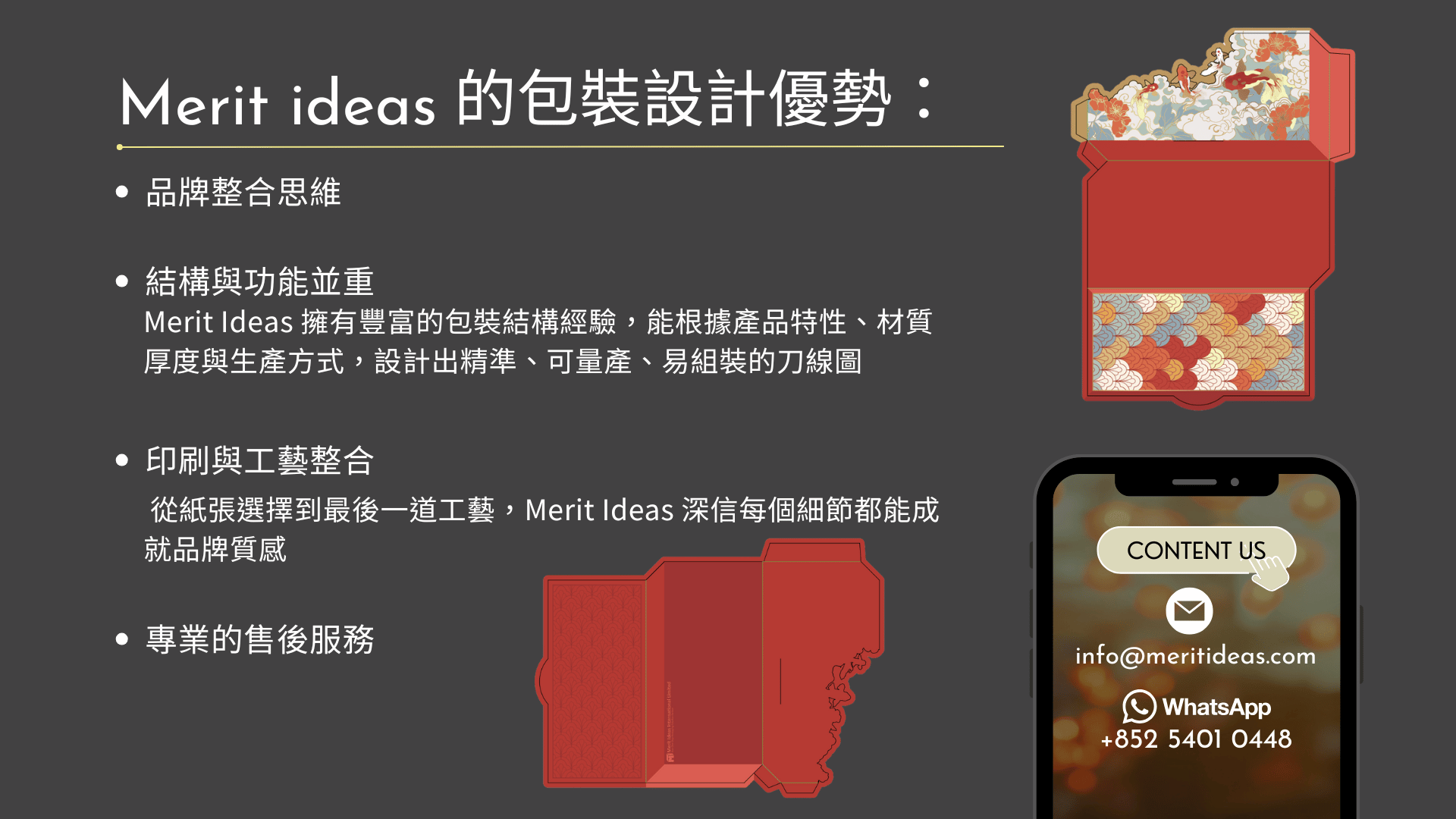
Merit Ideas的包裝設計優勢:

  1. 品牌整合思維
    不只設計外觀,而是以品牌定位為出發點,打造能「說故事」的包裝,讓產品在貨架上立即被記住。


  2. 結構與功能並重
    我們理解包裝不只是「包起來」,而是要保護產品、提升開箱體驗、降低物流成本,並兼顧可持續性。在包裝設計中,刀線圖是將創意轉化為實體盒型的關鍵步驟。它決定了紙板如何裁切、摺疊與組合成完整的結構。Merit Ideas 擁有豐富的包裝結構經驗,能根據產品特性、材質厚度與生產方式,設計出精準、可量產、易組裝的刀線圖。


  3. 印刷與工藝整合
    從紙張選擇到最後一道工藝,Merit Ideas 深信每個細節都能成就品牌質感。憑藉多年紙品與包裝製造經驗,我們熟悉不同材質特性,能根據用途與預算提供最合適的方案。


  4. 專業的售後服務
    我們不僅提供多樣印刷方式,更專注於顏色精準度、質感層次與工藝細節的完美呈現,確保每一個包裝成品都達到精品級水準。從打樣、印刷到後加工,全程追蹤檢測,確保每批產品一致穩定。

Merit Ideas一站式包裝解決方案

我們整合設計與生產,讓流程更流暢高效,同時確保每個細節都經過嚴格品質監控。

這種整合式服務模式讓我們能更好地控制時間、成本與品質,確保每件成品都忠實呈現品牌的預期效果。

merit ideas, 包裝設計, 禮盒設計, 客製化禮盒設計, custom boxes, boxes
包裝印刷禮盒製作全攻略:專業紙盒印刷與客製化包裝流程

包裝印刷禮盒製作全攻略:專業紙盒印刷與客製化包裝流程

新品上市必看! 專屬禮盒客製化製作懶人包

正在尋找高質感包裝禮盒,為新品或限量企劃加分嗎?許多品牌在紙盒印刷與客製化包裝上常面臨設計、材質與生產流程挑戰。隨著技術成熟,專屬品牌包裝已成為提升品牌價值的關鍵利器。

本文完整解析禮盒製作流程、紙材選擇、印刷方式及加工工藝,助您打造專屬高質感品牌包裝,從設計到出貨一站完成。

One-Stop Custom Service, 一站式全定制服務, 客製化禮盒服務, merit ideas, custom packaging

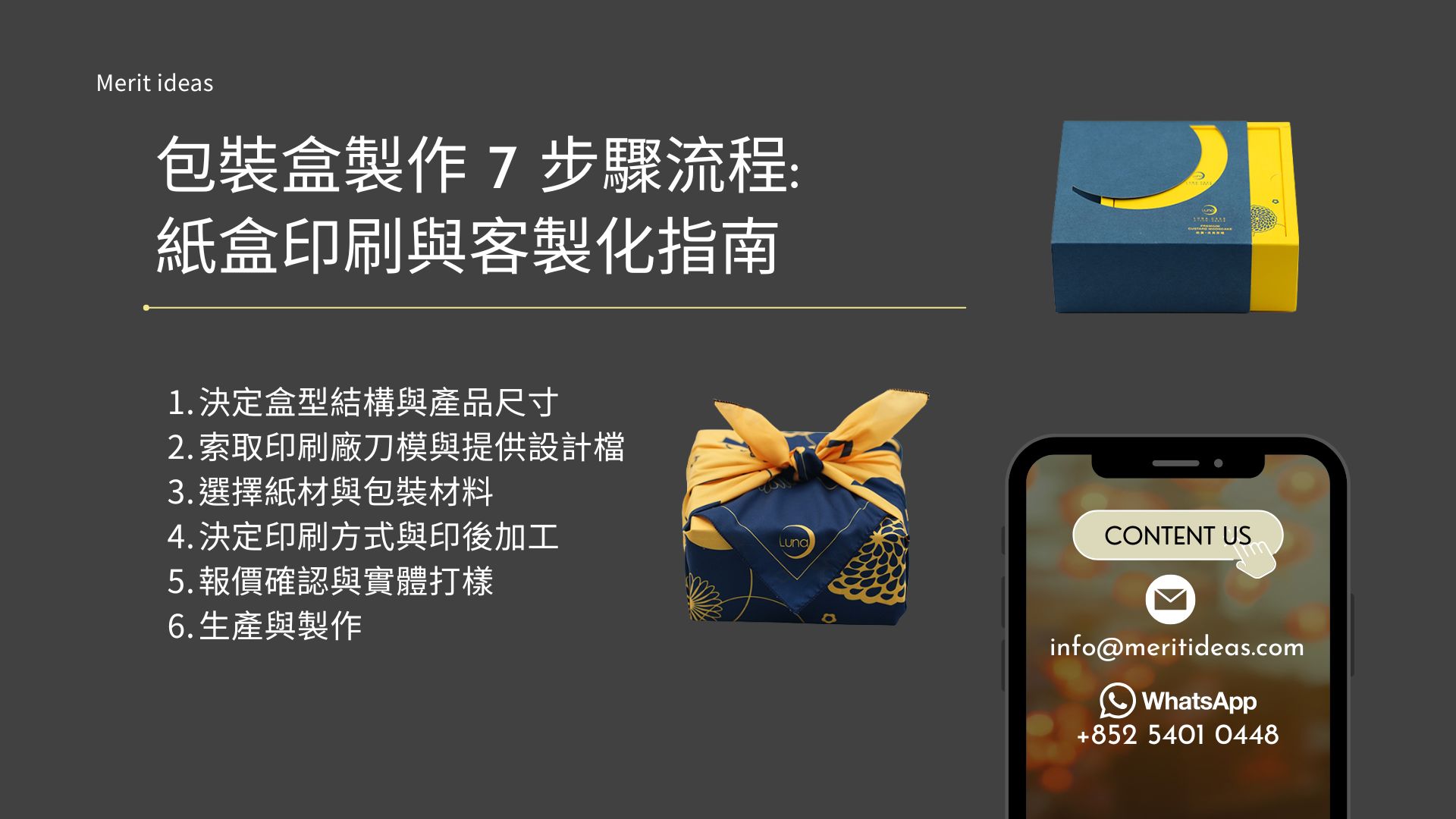
包裝盒製作7步驟流程:紙盒印刷與客製化指南

    1. 決定盒型結構與產品尺寸
      根據產品需求選擇盒型(卡盒、手工盒等)與尺寸(長 × 寬 × 高),確保包裝與產品完美匹配。
    2. 索取印刷廠刀模與提供設計檔
      取得刀模線並提供完整設計檔(AI 或 PDF),確保裁切精準。我們提供專業白模樣品服務(white sampling),量產前即可確認設計與結構。
    3. 選擇紙材與包裝材料
      提供多種紙材選擇,如白卡紙、牛皮紙、瓦楞紙等,兼顧質感、保護性與品牌形象。Merit Ideas 的客製化包裝材料支援多樣化需求。
    4. 決定印刷方式與印後加工
      可選數位或傳統印刷,搭配上膜、燙金、打凸等工藝,提升禮盒質感與品牌價值。
    5. 報價確認與實體打樣(可選)
      提供專業實體打樣服務(real sampling),確保正式生產前效果與品質達到預期。
    6. 生產與製作
      工廠依設計規格進行生產,包括軋型、糊盒等流程,確保結構精準、品質穩定。
    7. 品管檢查與出貨
      完成品管檢查,提供可靠出貨服務,讓客戶安心收到高品質的客製化包裝。
    8. 品管檢查與出貨
      完成品管檢查,提供可靠出貨服務,讓客戶安心收到高品質的客製化包裝。

決定盒型結構:卡盒 vs 手工盒

卡盒(Cardboard Box)

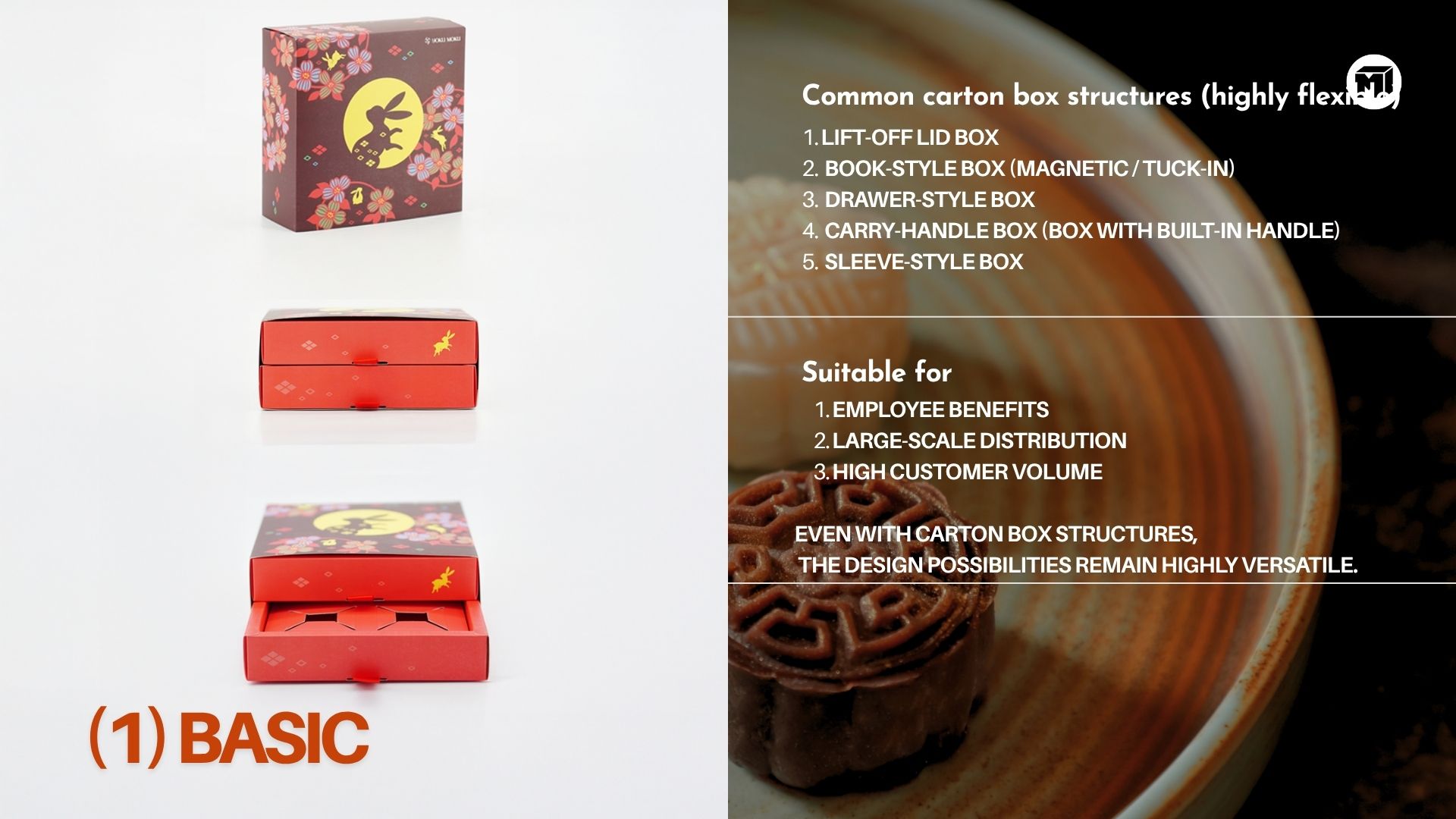
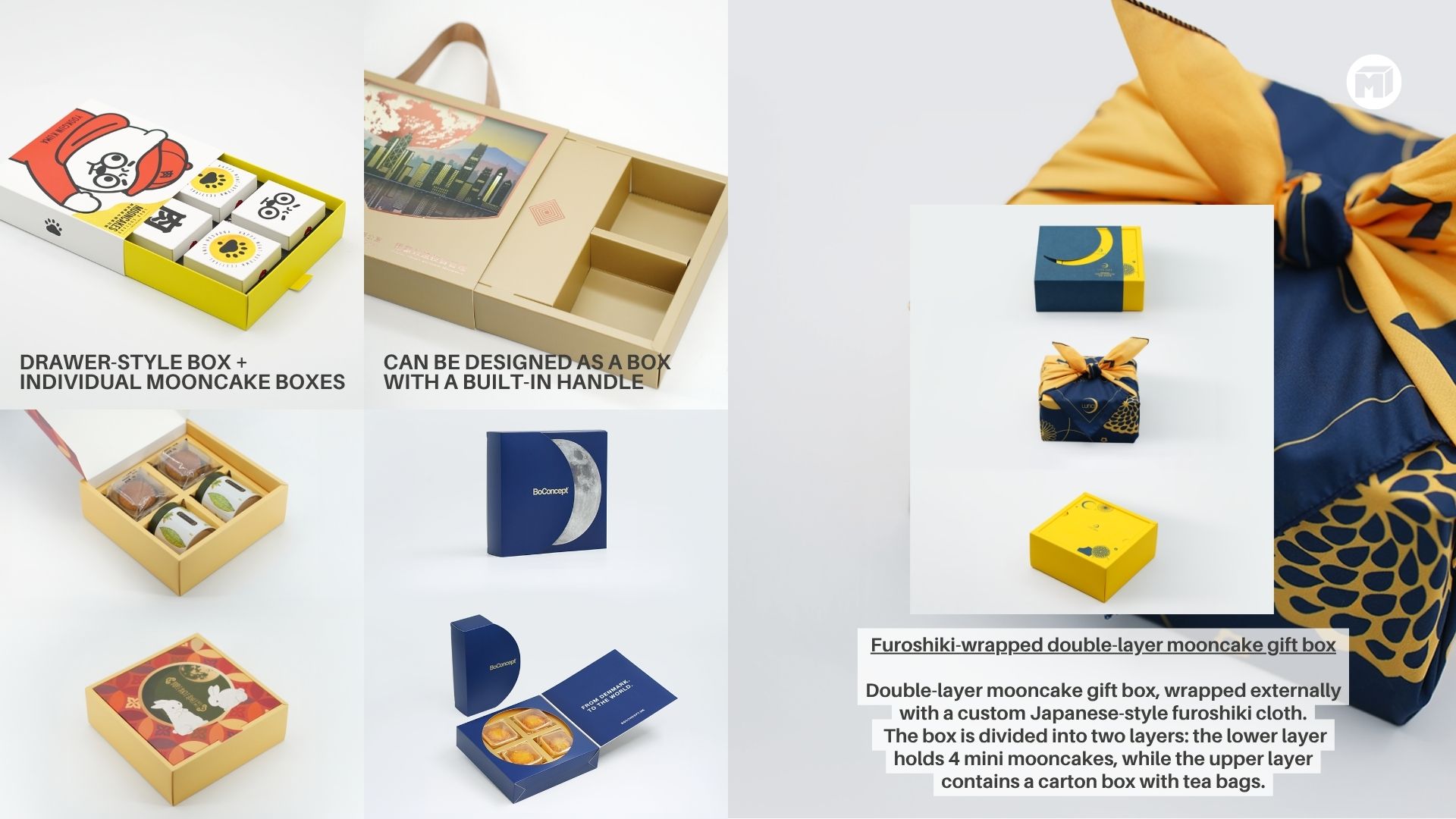
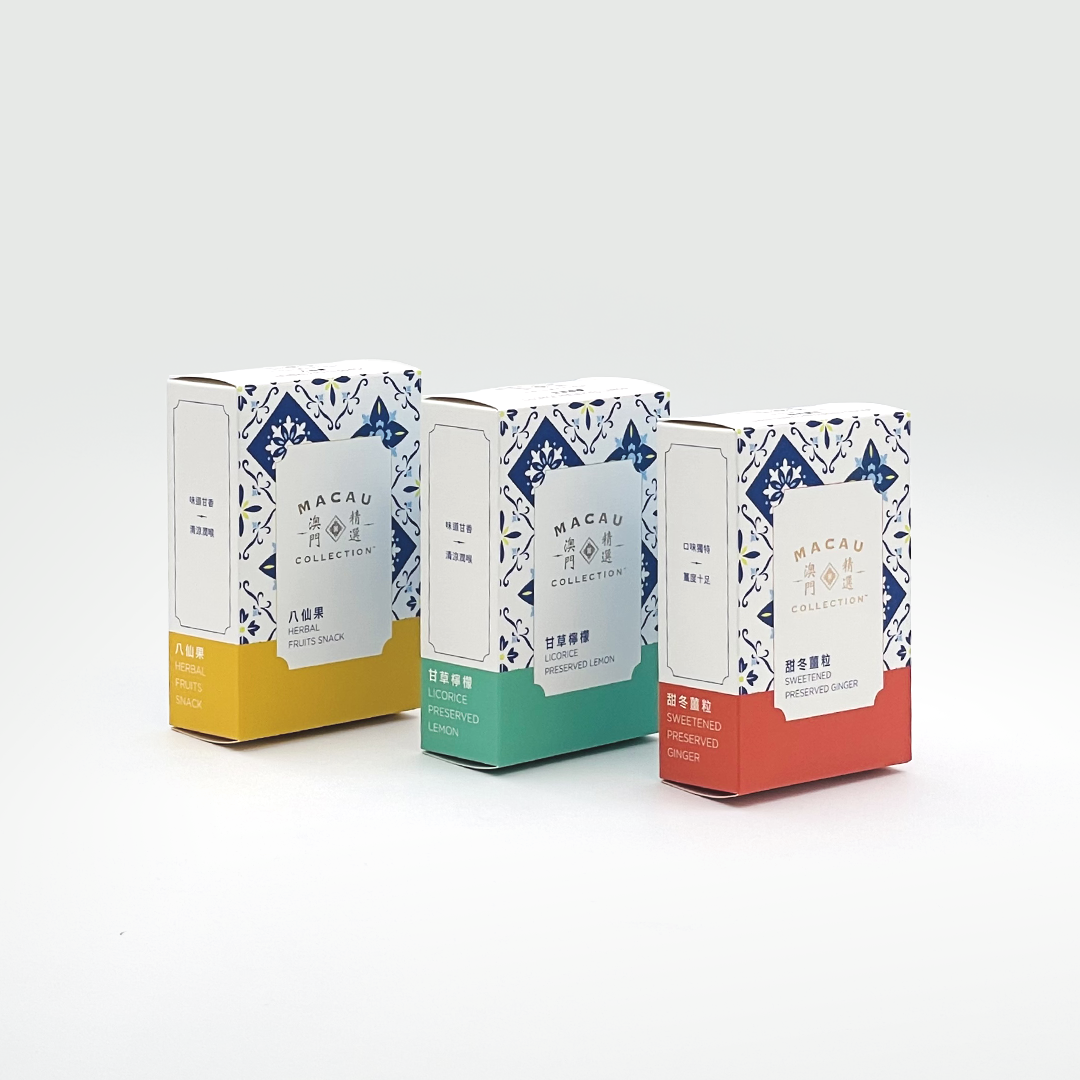
卡盒由卡紙印刷後經模切、糊盒而成,單層紙板可折疊,成型快速。常見樣式:

  • 插口盒(Tuck Top Box)


  • 自動底盒(Auto Bottom Box)


  • 扣底盒(Lock Bottom Box)


  • 雙插盒(Double Tuck Box)


  • 鎖底盒(Locking Bottom Box)


  • 掛鉤鎖底盒(Hook Lock Box)


  • 抽屜盒(Drawer / Slide Box)


  • 天地蓋盒(Two-Piece Box / Rigid Lid Box)


  • 飛機盒(Mailer Box / Folding Carton)


  • 平口盒(Straight Tuck Box)


  • 平黏盒(Folding Carton / Glue Bottom Box)


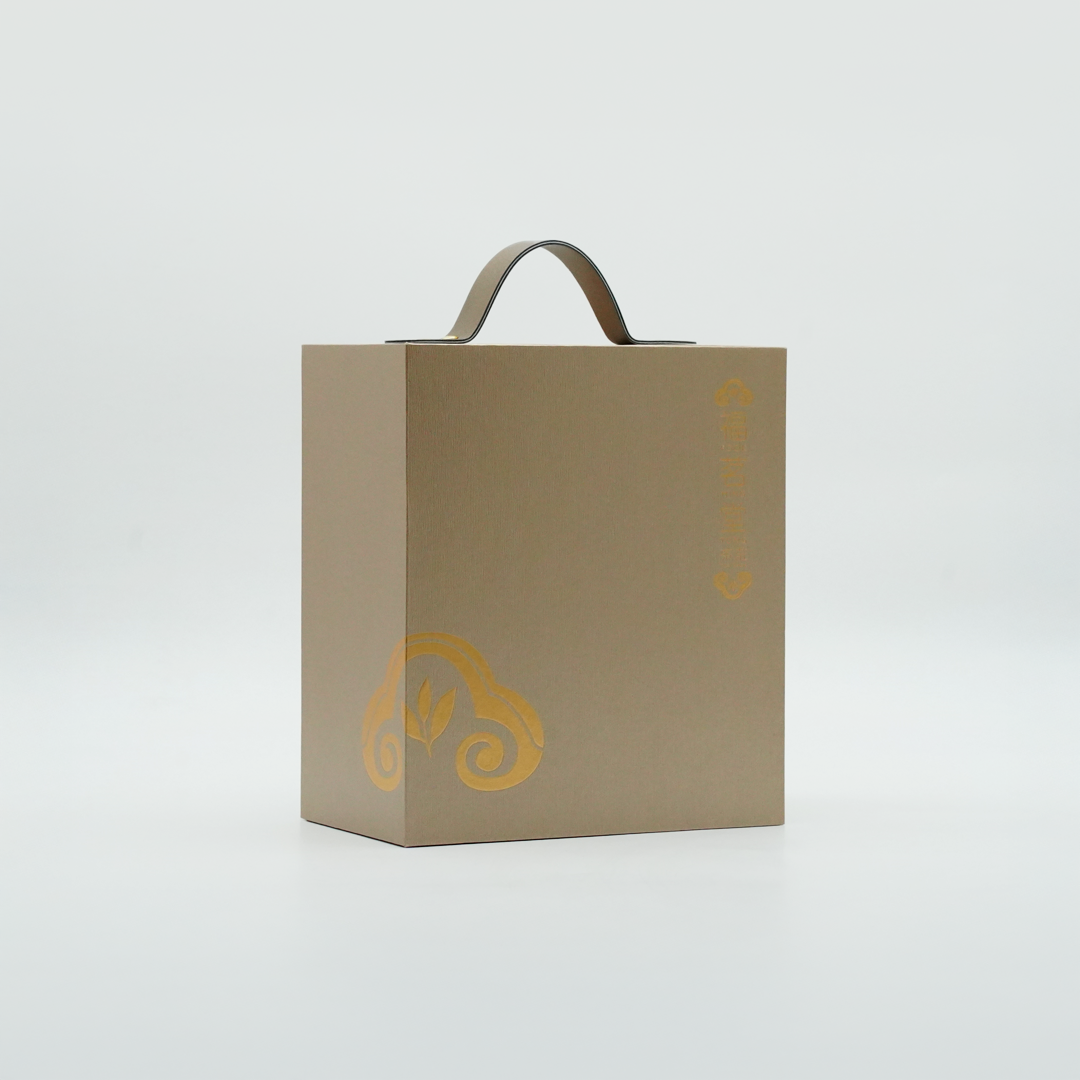
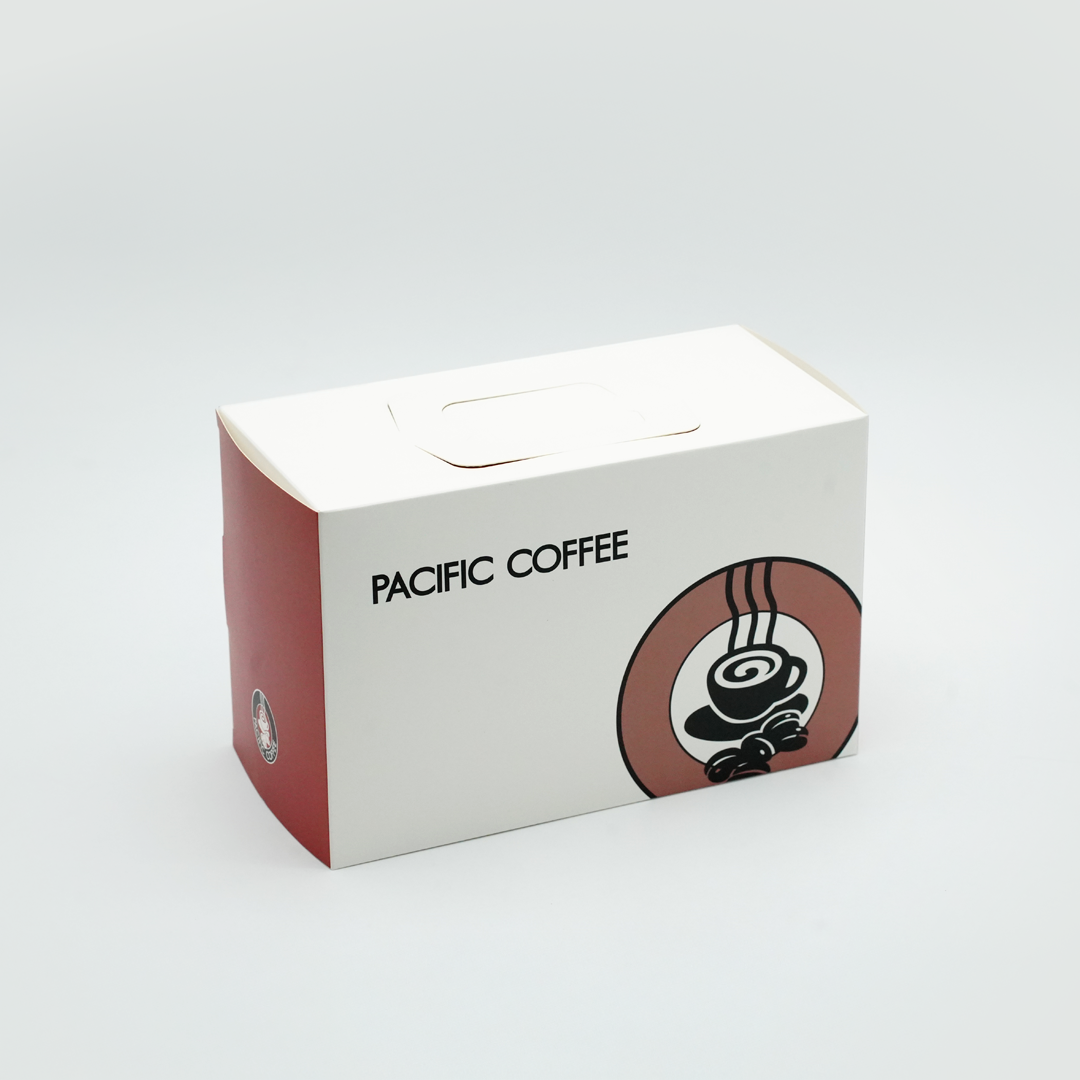
  • 手提盒(Handle Box / Carrier Box)


特點:適合中小尺寸產品、標準化高、製作快速、銷量大、週轉快。

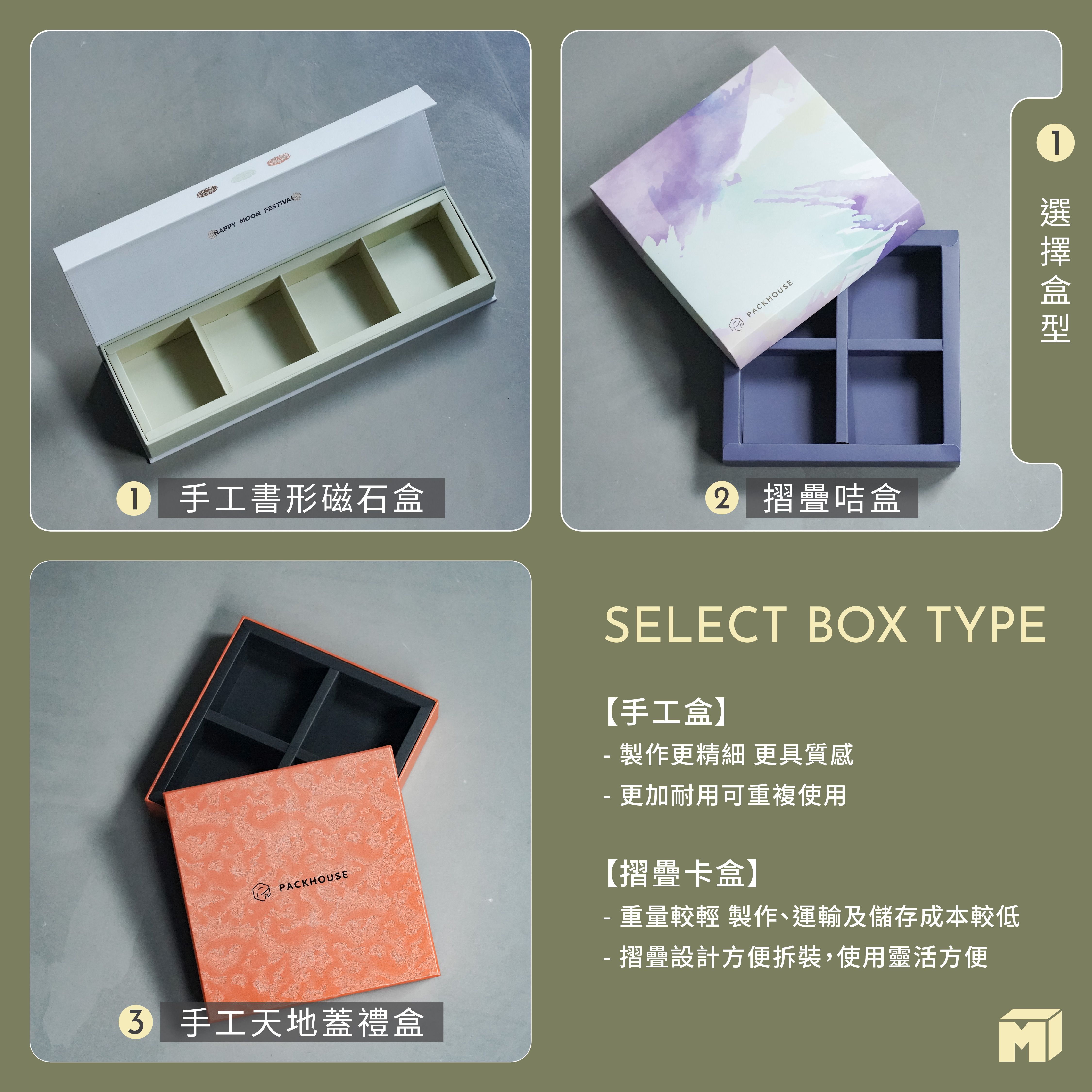
手工盒(Rigid Box / Handmade Box)

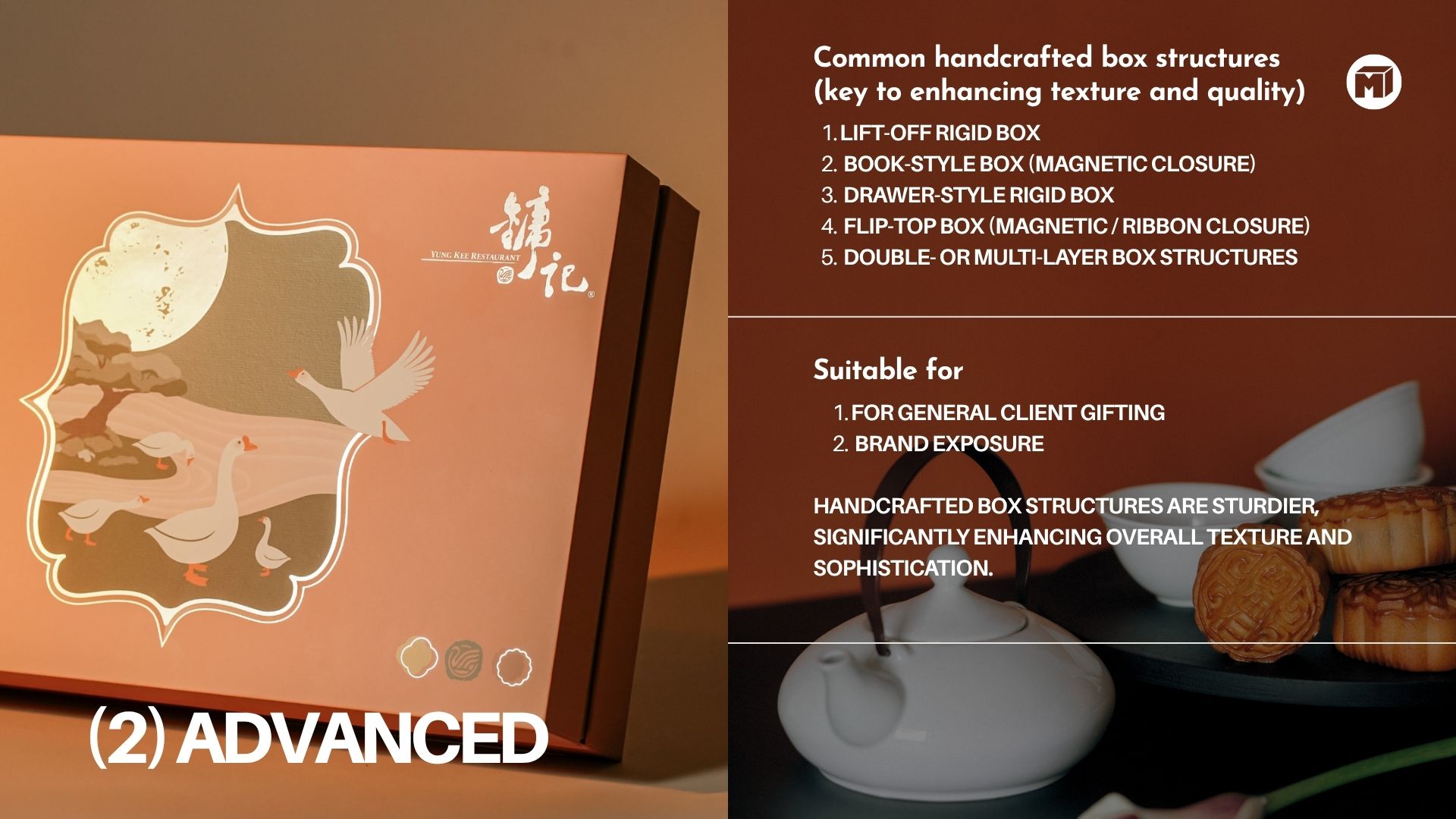
手工盒以灰板骨架,外層裱貼特種紙或印刷紙,人工包邊成型。常見樣式:

  • 天地盒(Two-Piece Rigid Box / Lid & Base Box)


  • 抽屜盒(Drawer / Slide Box)


  • 書型盒(Book-Style Box)


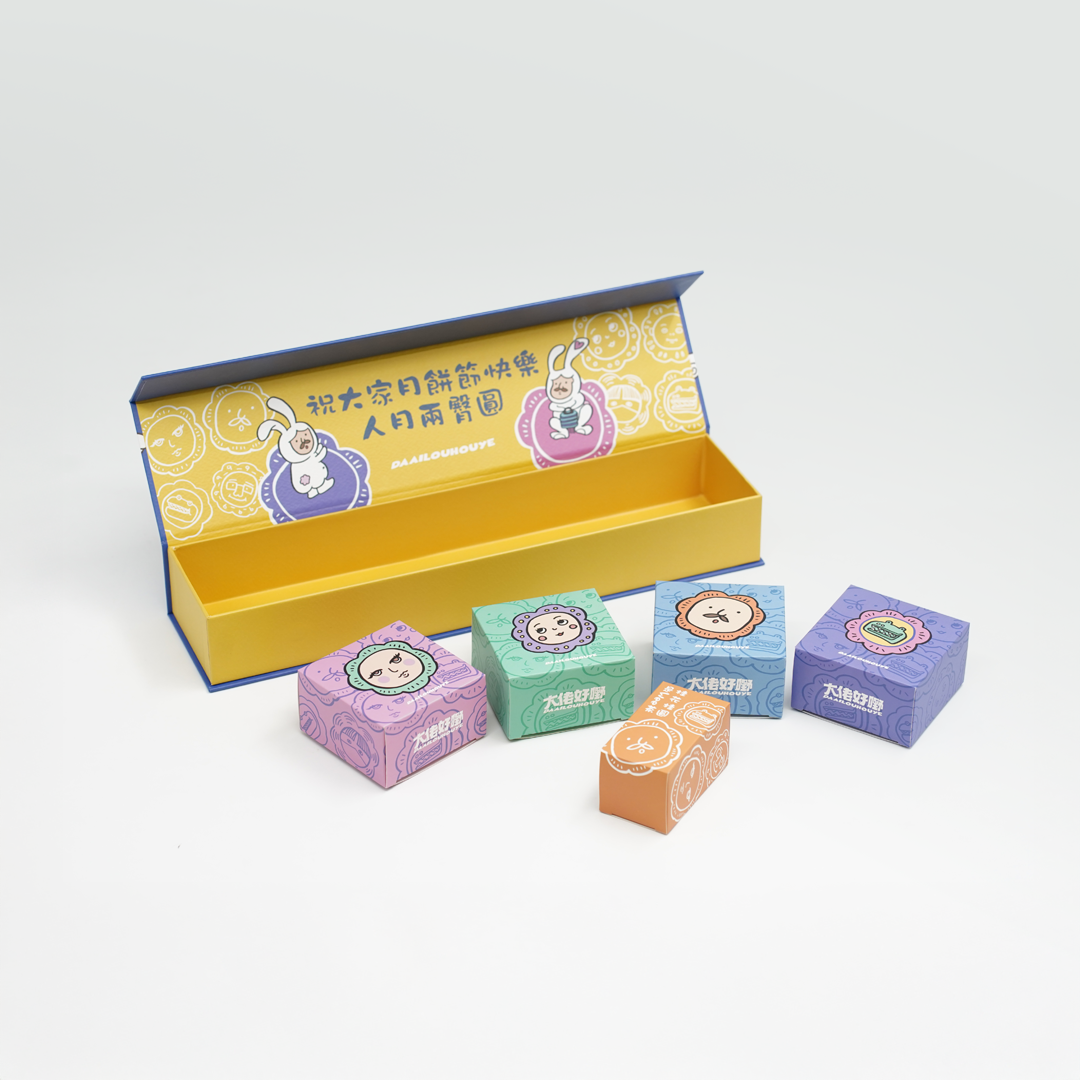
  • 翻蓋盒(Magnetic Closure Box / Flip Top Box)


  • 禮品展示盒(Presentation / Display Box)


  • 拉蓋盒(Telescopic / Sleeve Box)


  • 磁吸盒(Magnetic Closure Rigid Box)


  • 高端珠寶盒(Jewelry / Luxury Rigid Box)


特點

  • 強調產品體驗感與價值感


  • 提供良好保護性與展示效果


  • 適合高端禮盒或精品包裝


  • 成本較高,涉及人工工序
 
  • 運輸不易折疊,需規劃物流空間

結語:客製化禮盒,打造品牌第一印象

精美的客製化禮盒是產品門面,也是無聲行銷大使。透過這份全攻略,您已掌握從設計到交貨的完整流程。

無論新創品牌、電商賣家還是設計工作室,現在就可以規劃專屬紙盒印刷與客製化包裝,用高質感、專業包裝打造完美第一印象,提升品牌價值與消費者體驗。

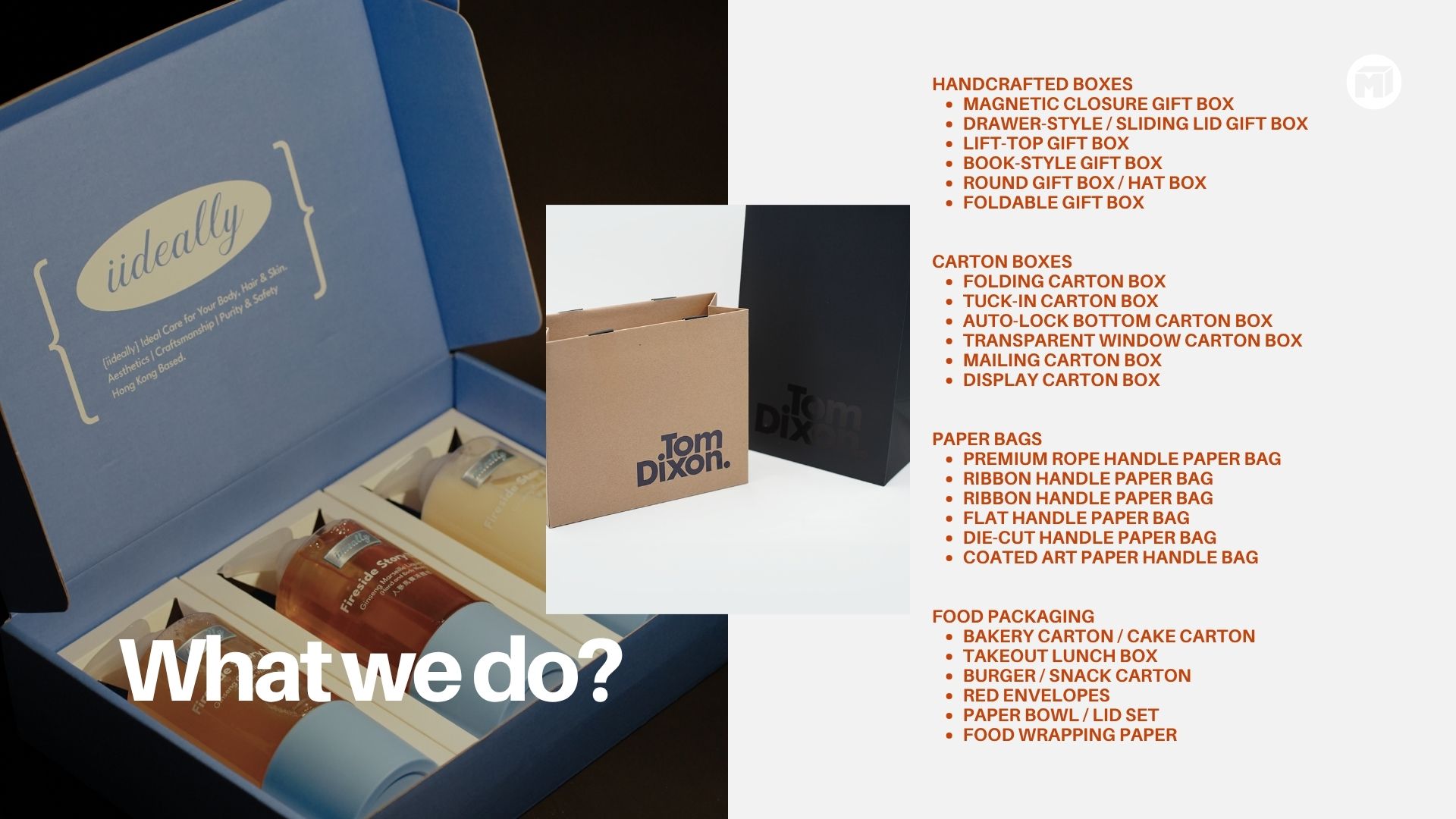
卡盒 vs 手工盒:如何為產品挑選合適的包裝?

卡盒 vs 手工盒:如何為產品挑選合適的包裝?

在產品包裝的世界裡,「卡盒」與「手工盒」是最常見的兩大類型。雖然兩者都是以紙材為主的外包裝選擇,但在結構、成本與適用場合上卻有明顯差異。在開發新產品或規劃品牌包裝時,了解兩者的特點,能更有效控制成本並提升品牌價值及形象。

卡盒(Folding Carton)

custom packaging, custom food packaging, branded packaging, food packaging supplies, boxes, 中秋禮盒, 月餅禮盒

卡盒一般由卡紙(Art Paper、白卡紙、灰底白等)印刷後經模切、糊盒而成。結構多為單層紙板,可折疊、成型快速,常見的樣式包括插口盒、自動底盒、扣底盒、雙插盒、鎖底盒、掛鈎鎖底盒、抽屜盒、天地蓋盒、飛機盒、平口盒、平黏盒、手提盒等。特點是適合中小尺寸、標準化程度高、銷量大且週轉快的產品。

優勢是卡盒製作印刷效率高、單價相對低廉,特別適合大貨訂單。由於能折疊出貨,運輸與倉儲成本也大幅降低。

優勢是成本效益高,輕便、節省運輸空間,生產週期短,適合大批量生產。

適用產品

  • 食品飲料:朱克力、餅乾、曲奇盒、茶包、咖啡粉、速食餐盒
  • 日常用品:牙膏、番皂、洗護髮小樣、面膜
  • 化妝品護膚:粉餅、唇膏、護膚品、精華液外盒
  • 醫藥保健:藥品、維他命、營養補充品
  • 電子小件:手機配件、耳機、充電線
  • 文創及小禮品:文具、卡片、蠟燭、小玩具

手工盒(Rigid Box / Handmade Box)

訂製月餅盒, 月餅禮盒定製, 月餅包裝盒, 中秋禮盒定製, custom packaging, custom food packaging, merit ideas, boxes

結構與製作

手工盒通常以灰板為骨架,外層裱貼特種紙或印刷紙,再經人工包邊、成型。結構厚實、不易變形,常見樣式有天地盒、抽屜盒、書型盒、翻蓋盒等。 特點是適合強調體驗感與價值感、需要保護性與展示效果的產品。由於涉及人工製作與裱貼工序,手工盒的成本相對較高,尤其在小批量訂單中更為明顯。運輸上因不能折疊,佔用空間也較大。


優勢是 質感厚實,檔次高,而且結構穩固,保護性佳,適合複雜設計與特殊工藝(燙金、壓紋、裱布)

適用產品

  • 高端食品飲品:高級茶葉、咖啡禮盒、月餅禮盒、紅酒、威士忌、蜂蜜

  • 化妝品與香氛:高檔香水、限量版彩妝、護膚禮盒

  • 珠寶精品:手錶、項鍊、戒指、配飾

  • 電子及科技產品:旗艦級手機、平板、耳機禮盒

  • 時尚品牌:皮具、絲巾、皮帶、鞋履包裝

  • 節慶及禮贈品:新年禮盒、中秋禮盒、婚禮回禮、聖誕禮盒

  • 收藏品:限量模型、公仔、藝術衍生品、盲盒

如何選擇?

 若您的產品屬於大眾消費品,且需要控制單位成本: 卡盒是最合適的選擇。
若您的產品需要高端定位更有體面或作為禮贈品: 手工盒能提升品牌價值與消費者體驗。
企業可依據產品定位、銷售渠道與預算,選擇最適合的包裝形式。