In the world of product packaging, rigid boxes and handmade boxes are the two most common types. While both primarily use paper materials, they differ significantly in structure, cost, and suitable applications. Understanding the characteristics of each is essential when developing new products or planning brand packaging, allowing you to better control costs while enhancing brand value and image.
Card Box(Folding Carton)
Rigid Boxes (Cardboard Boxes)
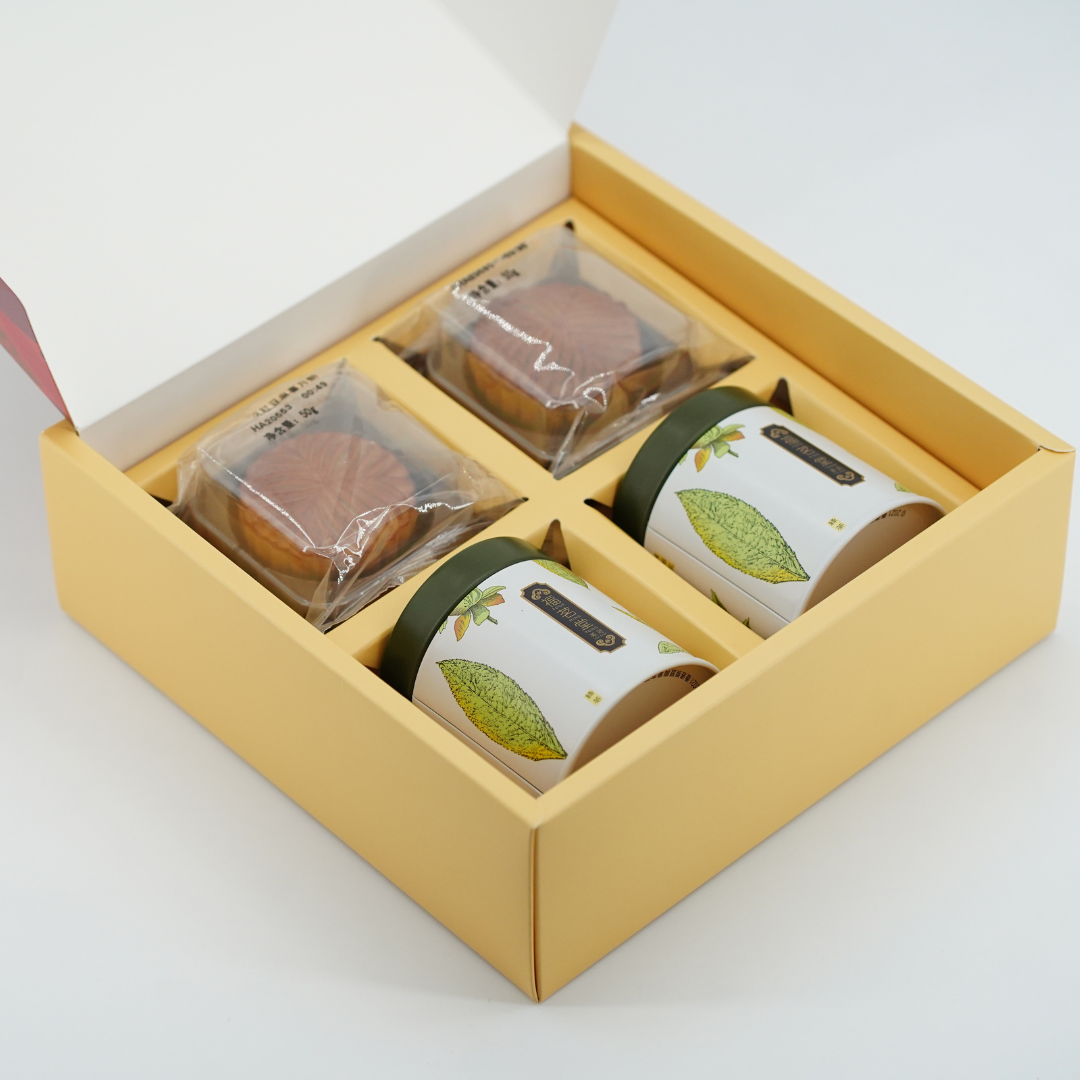
Rigid boxes are typically made by printing on cardboard (e.g., art paper, white card, or gray-backed white board), then die-cutting and gluing into shape. Most structures use single-layer boards, which can be folded and assembled quickly. Common styles include: tuck top boxes, auto bottom boxes, lock bottom boxes, double tuck boxes, locking bottom boxes, hook lock boxes, drawer/slide boxes, two-piece/lid & base boxes, mailer boxes, straight tuck boxes, folding/glue bottom boxes, and handle/carrier boxes.
Features:
- Suitable for small to medium-sized products
- Highly standardized
- Ideal for high-volume products with fast turnover
Advantages:
- Efficient production and printing process
- Relatively low unit cost, especially suitable for bulk orders
- Foldable for shipping, reducing transportation and storage costs
- Cost-effective, lightweight, space-saving, and short production cycles, ideal for mass production
Typical Applications:
- Food & Beverage: Chocolates, cookies, biscuits, tea bags, coffee powder, ready-to-eat meals
- Daily Necessities: Toothpaste, soap, shampoo/conditioner samples, facial masks
- Cosmetics & Skincare: Powder compacts, lipsticks, skincare bottles, serums
- Pharmaceuticals & Health Supplements: Medicines, vitamins, nutritional supplements
- Small Electronics: Phone accessories, earbuds, charging cables
- Stationery & Small Gifts: Notebooks, cards, candles, small toys
Handmade Boxes (Rigid Box / Handmade Box)
Structure & Manufacturing
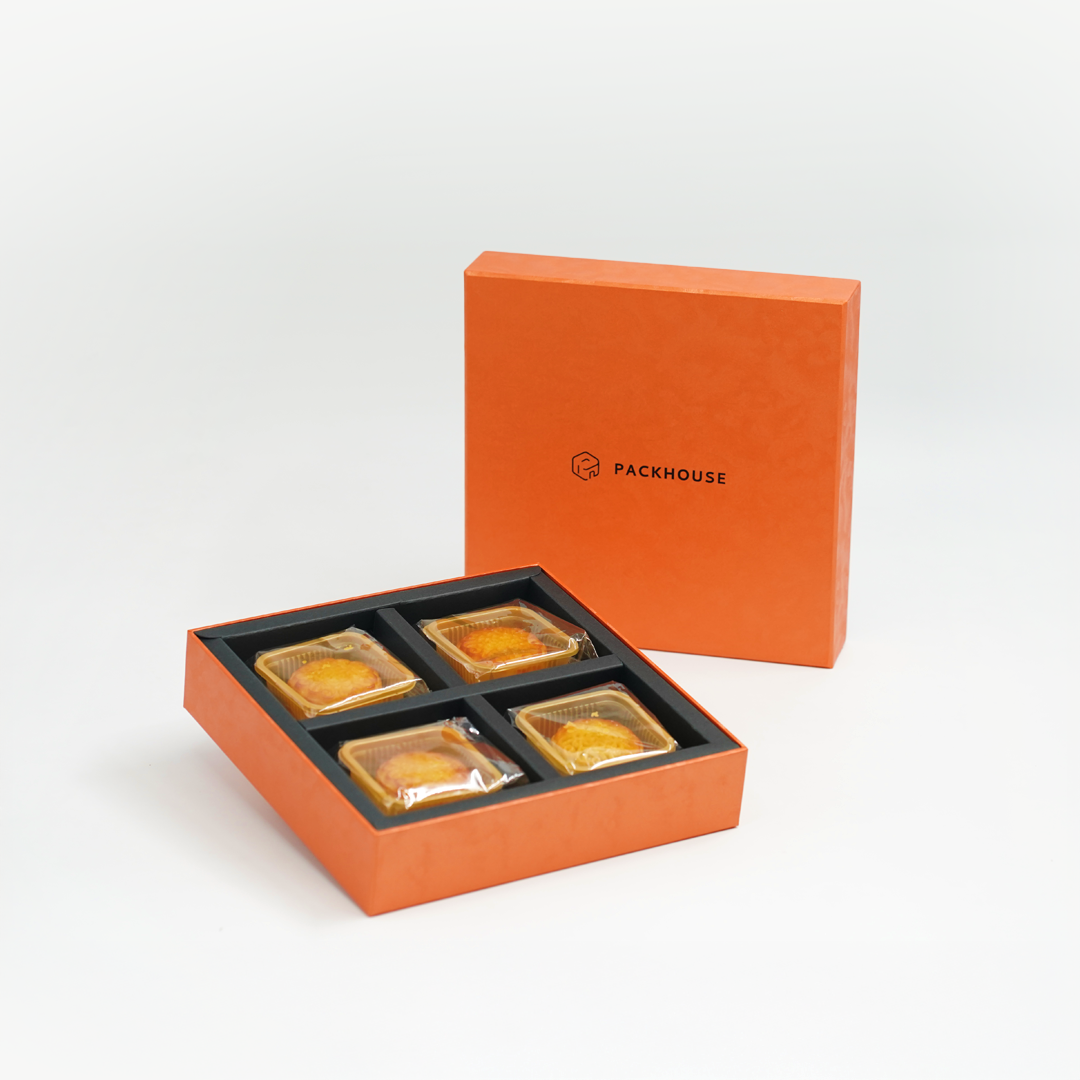
Handmade boxes are typically built with a greyboard skeleton, wrapped with specialty or printed paper, and manually finished at the edges to form the final shape. Their sturdy construction resists deformation, and common styles include two-piece/lid & base boxes, drawer/slide boxes, book-style boxes, and flip-top/magnetic closure boxes. They are ideal for products that emphasize experience and perceived value, providing both protection and attractive display. Because they involve manual assembly and paper wrapping, handmade boxes are relatively costly, especially for small-batch orders. They also cannot be folded for shipping, requiring more storage and transport space.
Advantages:
Thick, premium feel with a high-end appearance
Stable and sturdy structure, offering excellent protection
Suitable for complex designs and special finishes such as hot stamping, embossing, and fabric wrapping
Typical Applications:
Luxury Food & Beverages: Premium tea, coffee gift boxes, mooncake boxes, wine, whiskey, honey
Cosmetics & Fragrances: High-end perfumes, limited-edition makeup, skincare gift sets
Jewelry & Accessories: Watches, necklaces, rings, fashion accessories
Electronics & Tech Products: Flagship smartphones, tablets, headphones gift boxes
Fashion & Lifestyle: Leather goods, scarves, belts, shoes packaging
Seasonal & Corporate Gifts: Lunar New Year, Mid-Autumn Festival, wedding favors, Christmas gift boxes
Collectibles: Limited-edition models, figurines, art merchandise, blind boxes
How to Choose?
- If your product is a mass-market item and unit cost control is important: Rigid boxes are the most suitable choice.
- If your product requires a premium positioning, a refined presentation, or is intended as a gift: Handmade boxes can enhance brand value and consumer experience.
Companies can choose the most appropriate packaging type based on product positioning, sales channels, and budget.